
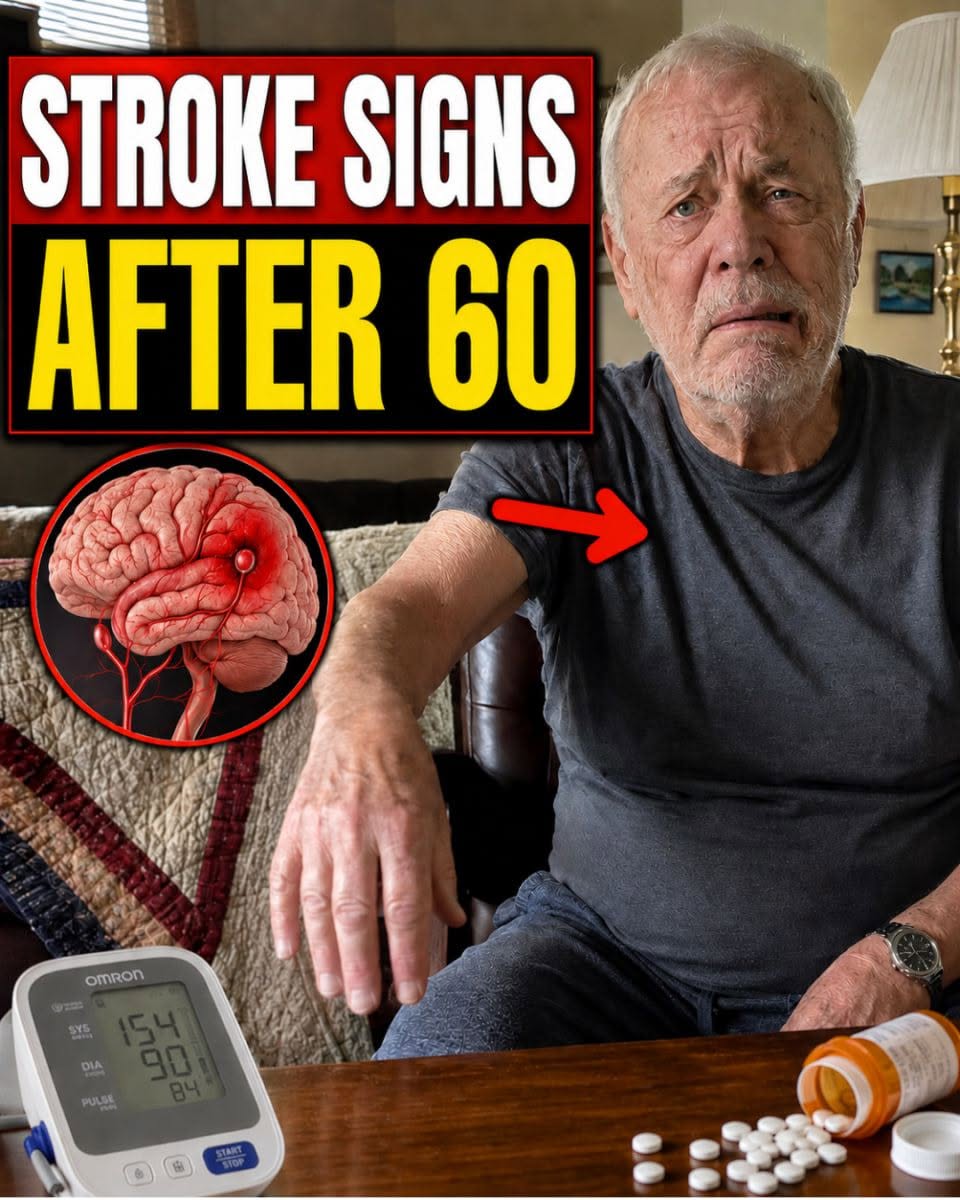
Check blood pressure at home several times a week and keep a simple written log to share at medical visits.
Move the body gently every day — a walk around the block, chair exercises, or gardening all support healthy circulation.
Fill most of the plate with vegetables, fruits, whole grains, nuts, and fish while limiting excess salt and processed foods.
Take any prescribed medications for blood pressure, cholesterol, or heart rhythm exactly as directed.
If you smoke, ask your doctor about the most effective quitting support available today.
Limit alcohol and stay connected with friends and activities that keep the mind engaged.
The truth is these small, steady actions add up. Many families find that once they start tracking blood pressure and moving more, they feel more in control of their overall health picture.
In Closing
Stroke warning signs after 60 deserve immediate attention because fast response makes a meaningful difference in outcomes. By learning the FAST check, staying alert to other sudden changes, and keeping blood pressure in view, you give yourself and your loved ones the best possible advantage. This article is meant to raise awareness and encourage helpful conversations with healthcare providers — it is not a substitute for personalized medical advice.
Frequently Asked Questions
What should I do if stroke-like symptoms appear and then disappear quickly?
Even if everything seems to return to normal within minutes or hours, call emergency services anyway. These brief episodes, sometimes called mini-strokes or TIAs, often signal a higher chance of a larger stroke in the near future and still require prompt medical evaluation.
Do stroke signs look the same in men and women over 60?
The core FAST signs apply to everyone. Some women may notice additional feelings such as unusual fatigue, nausea, or shortness of breath alongside the classic changes. When in doubt, treat any sudden neurological shift as an emergency.
Discover more
Health
Medical Facilities & Services
How can families prepare before a crisis happens?
Keep a current list of medications and allergies in an easy-to-find place. Talk together about who to call and what to do if symptoms appear. Practicing the FAST check as a simple household habit removes panic when seconds count.
Disclaimer
This article provides general information only and is not intended as medical advice, diagnosis, or treatment. Always consult your physician or another qualified healthcare provider with any questions about a medical condition. If you believe you or someone else may be experiencing a stroke, call emergency services immediately.
