
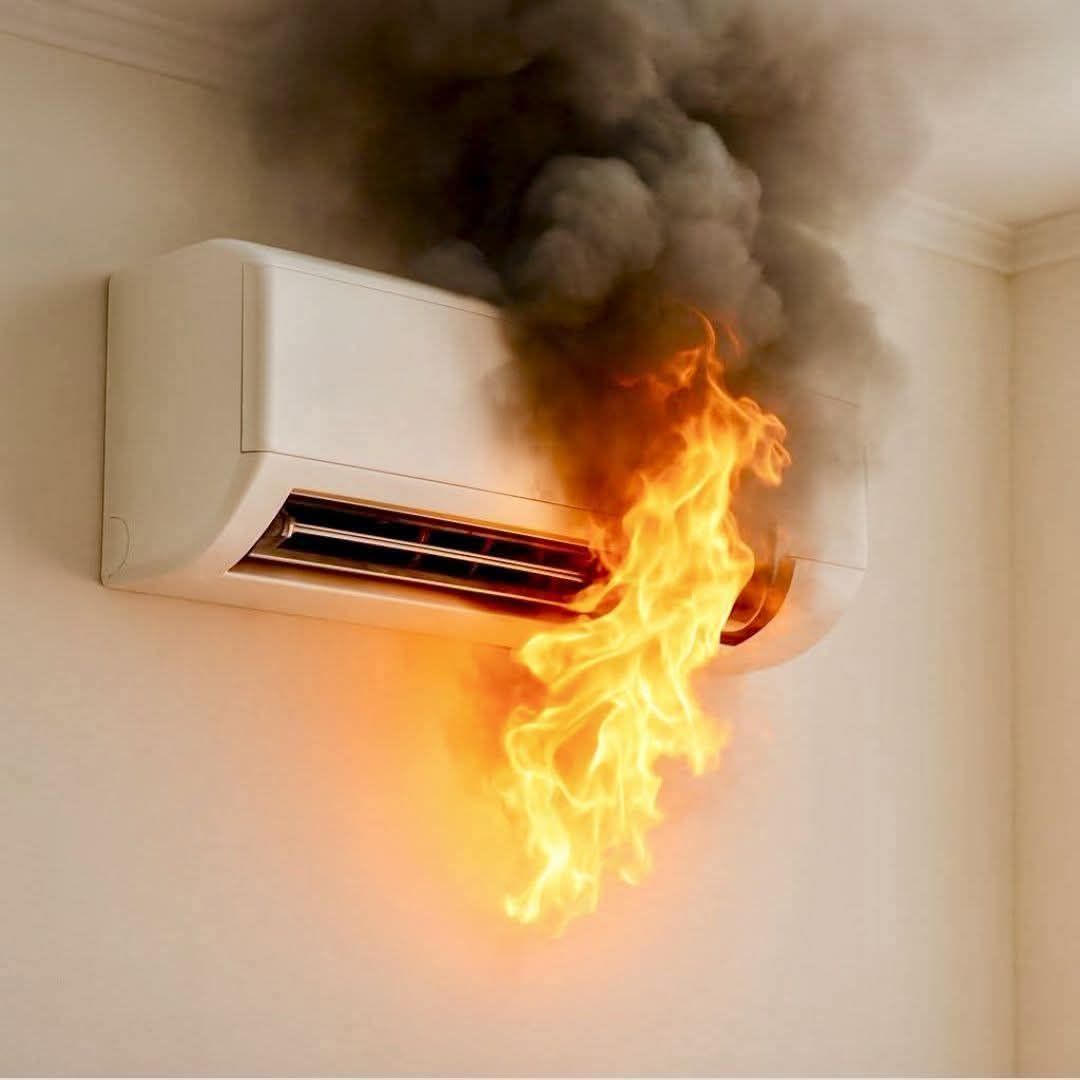
For gas-powered HVAC systems, the proper regulation of gas pressure is absolutely critical for both efficiency and safety. Gas pressure that is either too high or too low creates a cascade of dangerous conditions. When gas pressure runs abnormally low, it causes condensation to develop inside the heat exchanger — moisture that promotes corrosion, reduces efficiency, and shortens the system’s lifespan. When gas pressure runs excessively high, the heat exchanger becomes dangerously overheated. An exchanger running at extreme temperatures is, quite literally, a fire waiting for an opportunity to ignite.
Fuel line leaks represent perhaps the most immediately dramatic hazard on this list. When oil or gas leaks from a fuel line and comes into contact with any of the hot components inside the HVAC system — burners, heat exchangers, or even overheated electrical components — the result is a fire that can spread rapidly and with tremendous intensity. Gas leaks also create the risk of accumulation in an enclosed space, where even a small spark can trigger an explosion. Improperly fitted gas connections are a particularly common source of leaks, especially in systems that have been installed by unqualified individuals or that have not been professionally inspected for extended periods.
Warning signs to watch for: The distinctive rotten egg odor of natural gas near the system (never ignore this — evacuate immediately and call the gas company), unexplained increases in gas bills, a hissing sound near gas lines or connections, dead vegetation in a line near buried gas pipes, or an HVAC system that repeatedly fails to ignite or maintain its flame.
Prevention: If you ever smell gas near your HVAC system, do not attempt to investigate it yourself — evacuate the area immediately, avoid using any electrical switches or open flames, and call your gas utility provider from outside the building. Have gas pressure checked and verified during every professional maintenance visit. Never allow unqualified individuals to install or modify gas connections on your HVAC system.
Additional Safety Measures Every Homeowner Should Take
Beyond addressing the five specific hazards detailed above, there are several additional safety practices that every homeowner should implement to reduce the overall risk of an AC-related fire or explosion:
- Keep flammable materials away from the unit: Never store aerosols, oils, paint, cleaning products, or any other flammable materials near your HVAC system. A spark from the unit can ignite nearby flammables in seconds
- Clear debris from around the outdoor unit: Leaves, grass, dry vegetation, and other combustible organic material should be kept well clear of the outdoor condenser unit
- Unplug window AC units during extended absences or severe storms: Power surges from lightning strikes are a significant cause of AC electrical fires. Using a surge protector with window units provides an additional layer of protection
- Install and maintain smoke detectors: Ensure functioning smoke detectors are installed on every level of your home and test them monthly. Replace batteries annually
- Do not overwork the system: Avoid running your AC continuously at extremely cold temperature settings for extended periods, particularly during heat waves when the system is already under stress
- Never ignore warning signs: Unusual sounds, smells, reduced performance, or any visible damage to the system should be investigated by a professional immediately — not next month, not next season
The Critical Importance of Regular Professional Maintenance
The common thread running through every single one of the five hazards described in this article is that all of them are most effectively prevented through consistent, professional annual maintenance. A qualified HVAC technician brings the tools, training, and systematic inspection process to identify developing problems — loose connections, refrigerant leaks, dirty coils, cracking heat exchangers, improper gas pressure — in their earliest stages, long before they have the opportunity to evolve into a fire or explosion.
Annual maintenance is genuinely not an optional luxury for homeowners with gas-powered or aging HVAC systems — it is a fundamental safety requirement. The relatively modest cost of a professional maintenance visit is measured against the potential cost of a house fire, an explosion, or a carbon monoxide poisoning incident. There is no comparison. Schedule your annual HVAC inspection every year without exception, take the warning signs in this article seriously, and never hesitate to call a professional the moment something about your system’s behavior strikes you as unusual.
Final Thoughts
Air conditioning systems are remarkable pieces of technology that dramatically improve our comfort and quality of life — but they are not without risk when neglected or improperly maintained. The five critical hazards covered in this article — faulty electrical wiring, refrigerant leaks, overheating from dirty components, damaged heat exchangers, and improper gas pressure or fuel line leaks — are responsible for the vast majority of AC-related fires and explosions that occur every year. Every single one of them is preventable. Stay informed, stay vigilant about warning signs, and commit to regular professional maintenance. The safety of your home and everyone in it is worth every precaution.
