
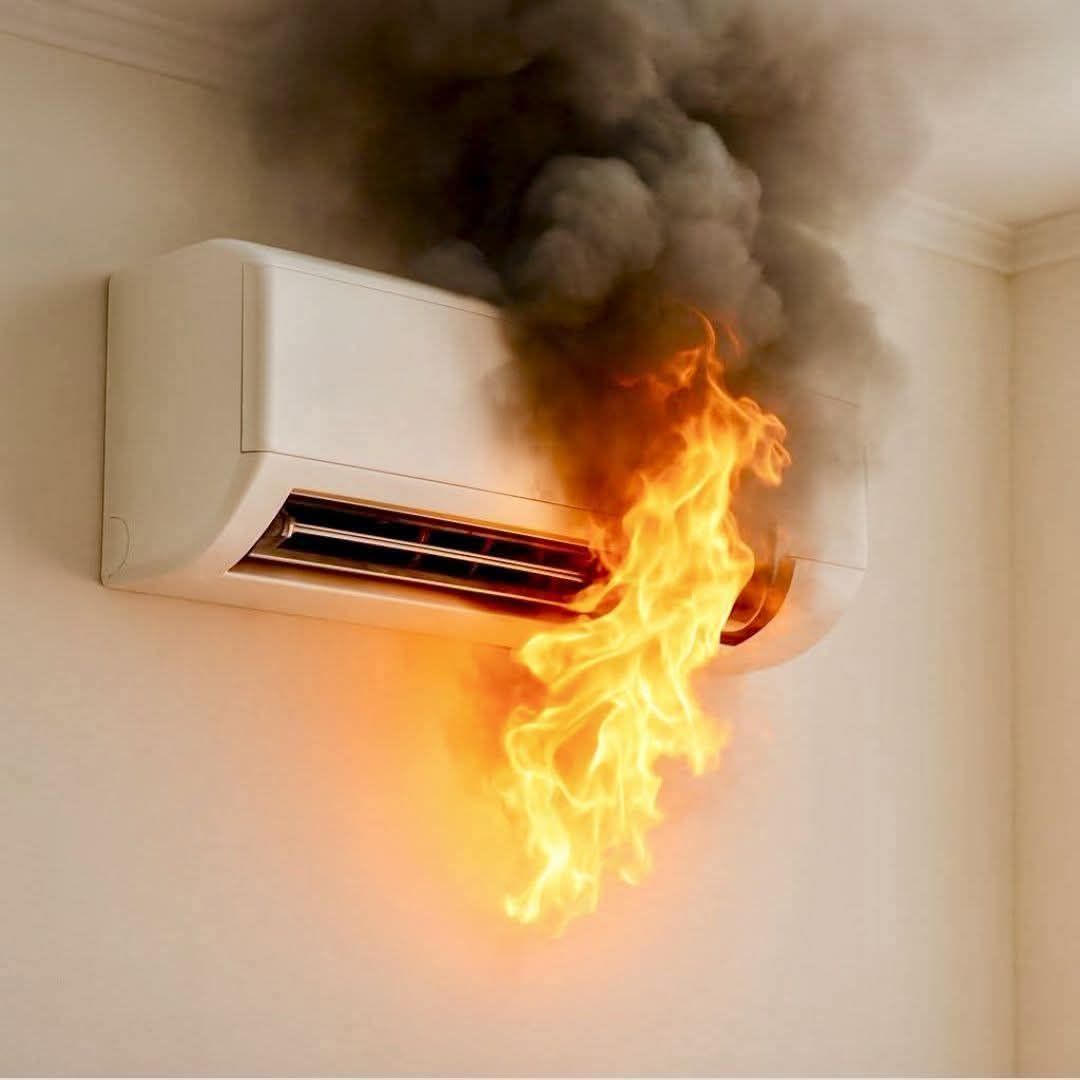
Your air conditioning system quietly works away in the background keeping your home cool and comfortable — and most of the time, you barely give it a second thought. But behind the hum of that unit lies a system of electrical components, pressurized refrigerant lines, combustible gases, and heat-generating machinery that, when neglected or improperly maintained, can become genuinely dangerous. According to the National Fire Protection Association, air conditioning systems are responsible for an average of $82 million in property damage, around 140 injuries, and approximately 20 deaths every single year in the United States alone. The good news is that the overwhelming majority of these incidents are entirely preventable. Understanding the five most critical fire and explosion hazards in air conditioning systems — and knowing what warning signs to watch for — is the first and most important step toward keeping your home and family safe.
Hazard #1: Faulty Electrical Wiring and Loose Connections
Electrical issues are, without question, the single most common cause of air conditioning fires. Your AC system is powered by a complex network of wires, circuits, fuses, capacitors, and electrical connections that work together to run the unit’s motor, power the compressor, and circulate cooled air throughout your home. Over time — and particularly in systems that have not been regularly serviced — electrical wiring loosens, insulation deteriorates, connections corrode, and circuits become overloaded.
When electrical wiring becomes faulty, it begins generating sparks. If those sparks land on anything flammable nearby — and inside an AC unit, there are plenty of candidates including dust accumulation, lubricating oils, and wiring insulation — a fire can ignite rapidly. Furthermore, faulty electrical components can cause the buildup of flammable acid within the system. Once a fire starts near the refrigerant lines, it can ignite them as well, turning a contained electrical fire into a catastrophic explosion with devastating consequences.
Warning signs to watch for: Flickering or dimming lights in your home when the AC kicks on, tripped circuit breakers when the system runs, a burning smell or the scent of hot plastic or rubber coming from the unit, visible scorch marks around electrical panels, or any sparking you can see or hear. If you observe any of these warning signs, shut the system off immediately and contact a qualified HVAC technician without delay.
Prevention: Schedule annual professional maintenance inspections where the technician checks all electrical connections, tests circuit components, verifies the system complies with current electrical codes, and replaces any worn or damaged wiring before it becomes a hazard.
Hazard #2: Refrigerant Leaks
Refrigerant is the chemical compound that makes air conditioning possible — it circulates through the system, absorbing heat from the indoor air and releasing it outside, creating the cooling effect you rely on. In normal, properly functioning systems, refrigerant stays contained within sealed lines and poses no risk. But when refrigerant lines crack, corrode, or develop pinhole leaks — which is more common in older or poorly maintained systems — the situation can escalate from an efficiency problem into a genuine safety crisis.
The immediate health risks of refrigerant exposure are significant: skin contact causes severe frostbite, and eye exposure can cause permanent vision impairment. Inhaling refrigerant fumes can lead to asphyxiation, loss of coordination, increased heart rate, and serious respiratory damage, particularly in enclosed spaces with reduced oxygen levels. From a fire and explosion standpoint, the situation is especially concerning in systems that use older or less common flammable refrigerant formulations. When leaked refrigerant gas accumulates in an enclosed space and contacts an ignition source — an electrical spark, a flame, or even excessive heat — it can combust or explode with sudden and violent force.
Warning signs to watch for: Ice forming on the refrigerant lines or the evaporator coils, a noticeable hissing or bubbling sound coming from the unit, a sharp or slightly sweet chemical odor near the system, reduced cooling performance despite the system running continuously, or an unexpectedly higher-than-usual electricity bill without a clear explanation.
Prevention: Never attempt to handle refrigerant yourself — technicians are legally required to hold EPA 608 certification before they are permitted to handle refrigerants. Schedule regular professional inspections where the technician checks the system for refrigerant leaks and addresses any issues before they escalate.
