
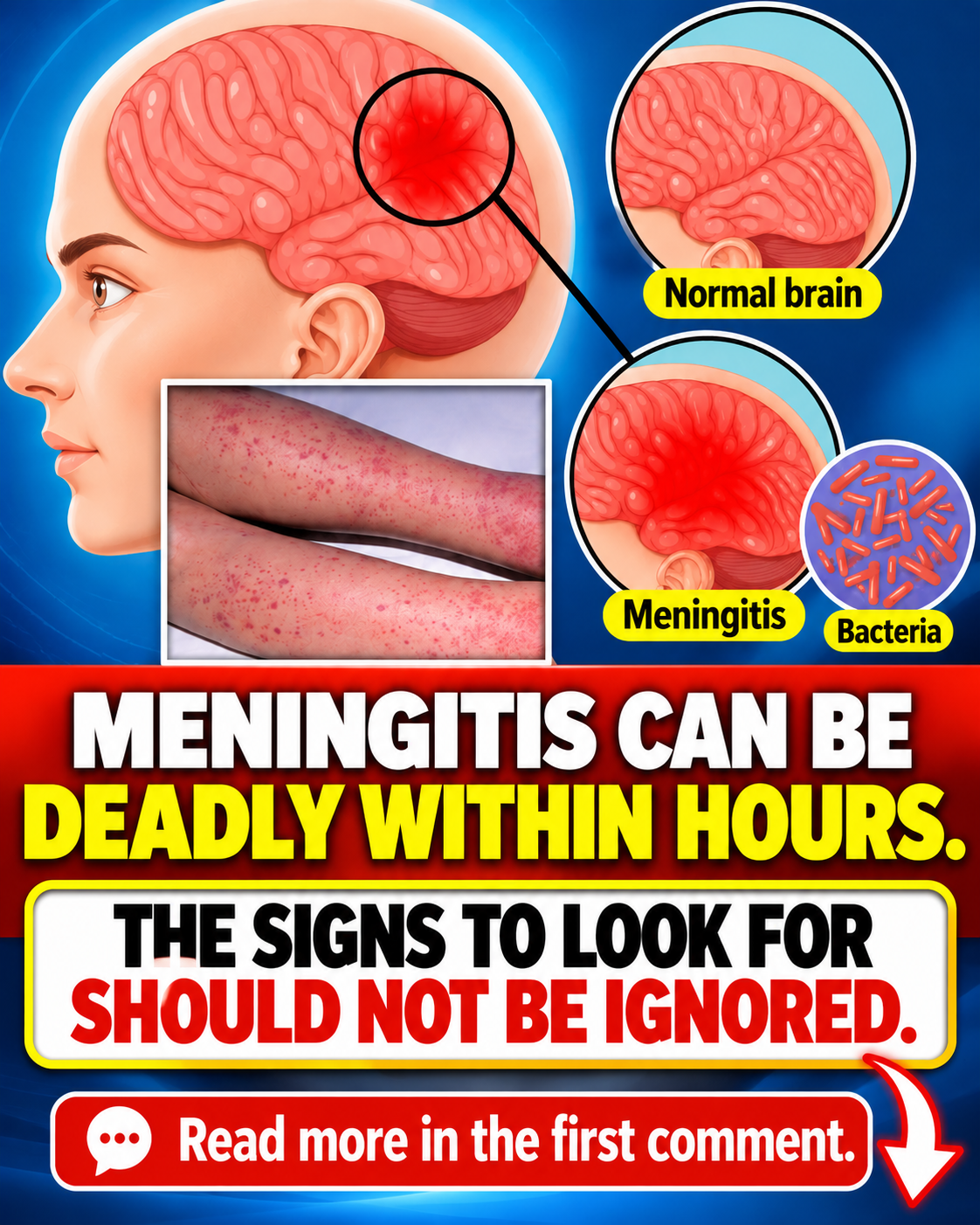
Meningococcal meningitis is a particularly dangerous infectious disease. It can affect people of all ages, including those who seemed perfectly healthy just hours before. In some cases, its progression is so rapid that it can be life-threatening in a very short time.
⚠️ The most worrying thing? The first symptoms often resemble those of a simple flu or viral infection.
Fever, headaches, muscle aches, nausea, or vomiting may seem harmless. However, these symptoms can sometimes indicate an invasive meningococcal infection requiring immediate medical attention.
According to the U.S. Centers
for
Disease Control and Prevention (CDC), about 10 to 15 percent of people with invasive meningococcal infection die, even when they receive antibiotic treatment.
Understanding the symptoms, recognizing the warning signs and acting quickly can make all the difference.
🔬 1. What is invasive meningococcal disease?
Invasive meningococcal disease is a serious bacterial infection caused by Neisseria meningitidis , also known as meningococcus.
This bacterium can be present in the nose or throat of some people without causing symptoms. However, under certain circumstances, it can enter the bloodstream and lead to
particularly dangerous
complications.
The two main forms of the disease are:
Meningococcal meningitis: an infection causing inflammation of the meninges, the membranes that surround the brain and spinal cord.
Meningococcal septicemia: a blood infection that can cause a generalized inflammatory reaction, clotting disorders, and multiple organ failure.
These two forms can appear separately or simultaneously.
Septicemia can notably cause damage to small blood vessels, leading to the appearance of red or purplish spots on the skin.
Without prompt treatment, the patient’s condition can deteriorate rapidly.
🚨 2. The first
symptoms: why are they
so misleading?
At the beginning of the infection, the symptoms may be difficult to distinguish from those of a common viral illness.
Among the first possible symptoms are:
🌡️ A fever that is sometimes high.
🤕 Persistent headaches.
💪 Significant muscle pain.
🤢 Nausea or vomiting.
😴 Unusual fatigue or a feeling of weakness.
🥶 Chills and a general feeling of unease.
These symptoms do not necessarily mean that a person has a meningococcal infection.
However, their rapid worsening, particularly when accompanied by a deterioration in general health, should immediately
attract attention.
A person may appear
relatively well in the morning and show signs of severity a few hours later.
It is precisely this sometimes rapid progression that makes the disease so dangerous.
You may like
🩸 3. Warning signs that require immediate intervention
Certain symptoms should be considered as emergency signs.
🔴 Fever accompanied by intense headaches
A fever associated with particularly severe headaches can be a sign of meningitis.
The pain may be unusual, persistent, and accompanied by strong sensitivity to light.
🔴 Neck stiffness
X
Significant difficulty in
bending the neck may indicate irritation of the
meninges.
However, this sign is not always present, particularly in infants.
🔴 Confusion, drowsiness, or loss of consciousness
A person who becomes abnormally drowsy, disoriented, or difficult to wake up should receive immediate medical assistance.
These symptoms may indicate a serious neurological condition.
🔴 Seizures and rapid breathing
