
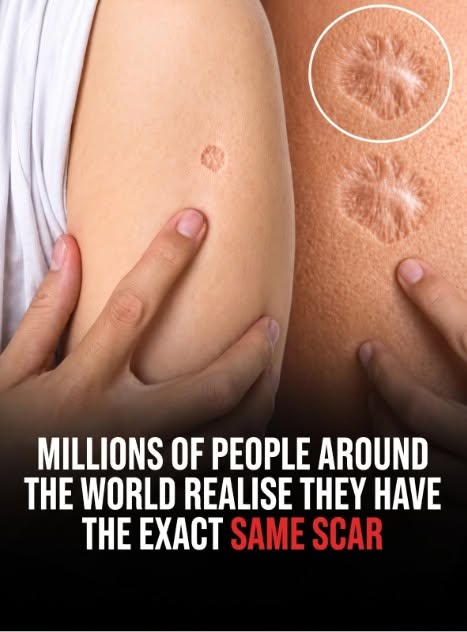
In the vast majority of cases, a smallpox vaccination scar poses no health risks and requires no medical intervention. However, for those who wish to minimize its appearance for cosmetic reasons, several approaches are available. The most fundamental step is protecting the area from sun exposure, as ultraviolet rays can cause the scar tissue to darken permanently. Topical treatments, including moisturizing ointments like aloe vera, cocoa butter, or specific plant extracts, are often used, though their effectiveness varies widely among individuals. For more pronounced results, medical professionals may offer procedures such as dermabrasion, surgical revision, or skin grafting. In instances where keloids have formed, specialized treatments like silicone dressings or medicated gels can help flatten and reduce the size of the raised tissue, though outcomes are never entirely predictable.
While other vaccines, such as the BCG vaccine for tuberculosis, can also leave visible marks, the smallpox scar remains uniquely tied to a specific historical and medical context. Although this mark may occasionally raise questions or surprise those unfamiliar with its origins, it stands above all as a testament to the effective defense mechanisms of the human body. It illustrates how a simple, deliberate medical procedure can leave a lasting imprint not only on the skin but also on the broader narrative of human health and preventive medicine.
