
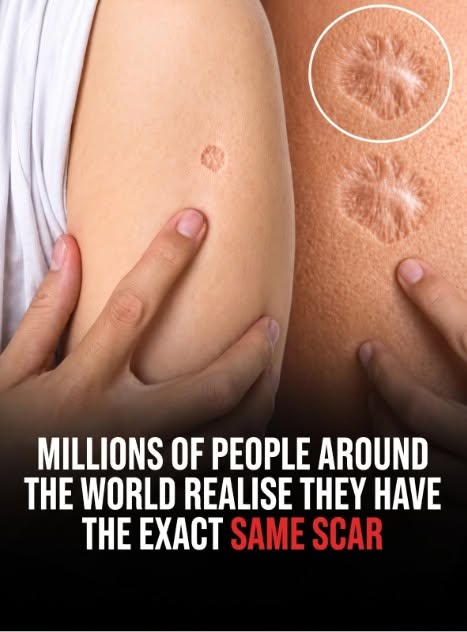
Once the virus entered the dermis, it multiplied and triggered a localized immune response. This process manifested as a small raised bump, which evolved into a fluid filled blister and eventually hardened into a scab. As the body repaired the tissue, it produced collagen fibers that were oriented differently than those in normal skin, resulting in the characteristic indented appearance of the final scar.
Typically, the resulting scar is small, circular, and slightly depressed below the surface of the surrounding skin. While it is generally harmless, some individuals may experience occasional itching or a sensation of tightness in the area. The healing process varies significantly from person to person based on individual genetics. In some cases, the body produces an excessive amount of scar tissue during the healing phase, leading to the development of thicker, raised scars known as keloids. This variation highlights the diverse ways the human body responds to intentional medical interventions.
