
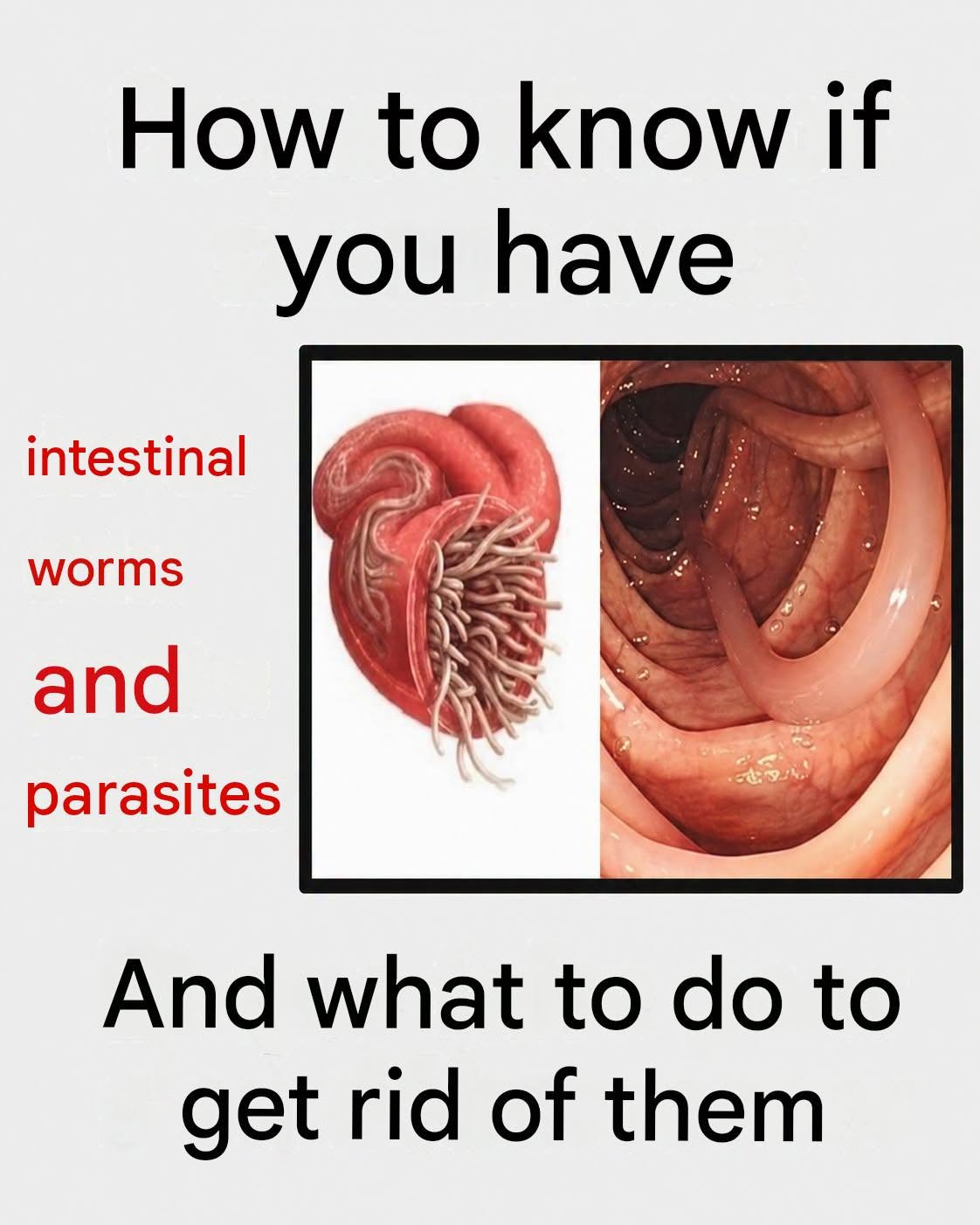
There’s a common misconception that intestinal parasites only exist in developing countries. While they are indeed more prevalent there, they are far more common in developed countries than one might think. It’s not pleasant to know you’re hosting a colony of intestinal parasites, but you’re not alone. According to the World Health Organization , more than 3 billion people suffer from some type of intestinal parasite, and not all of them live in developing or impoverished countries.
What are intestinal parasites?Health
Parasites in general are classified into several groups, but the two main types of intestinal parasites are helminths and protozoa. Helminths are worms with many cells that cannot multiply in the human body, such as tapeworms, pinworms, and roundworms. Protozoa, on the other hand, have only one cell and can multiply inside the human body, potentially causing serious infections.
How do you catch intestinal parasites?
Intestinal parasites are usually transmitted when a person comes into contact with infected feces (for example, through contaminated soil, food, or water). Other things that can increase your risk of contracting intestinal parasites include visiting an area known to have parasites, poor hygiene and sanitation (for food and water), having a weakened immune system, handling animals , and age (children and the elderly are more susceptible to infection). Once you are infected with parasites, they are contagious and can be easily transmitted to others.
Why are intestinal parasites dangerous?
As the name parasite suggests, they live inside our bodies and feed on them. In places with high hygiene standards, parasites do not pose a significant threat, but in poor countries and places with poor hygiene and sanitation, parasites can be a real threat to life.
When our intestines become infested with parasites, even high levels of acidity in the digestive system cannot protect our body. As a result, our body attempts to defend itself through our immune system, and the intestines can become inflamed. Intestinal parasites prevent the food we eat from being properly absorbed and release toxins into the bloodstream and lymphatic system. Severe infections can cause intestinal obstruction when the intestine is partially or completely blocked. The blockage prevents food, fluids, and gas from moving through the intestines in the normal way. Severe infestations can also cause anemia because they can lead to bleeding in the intestines.
The problem lies in the fact that there are so many types of parasites that they can cause a wide range of symptoms, and only a few of them can actually be digested. Therefore, if you have tried various treatments to relieve your symptoms without success, intestinal parasites may be the hidden cause of many unresolved health problems.
