
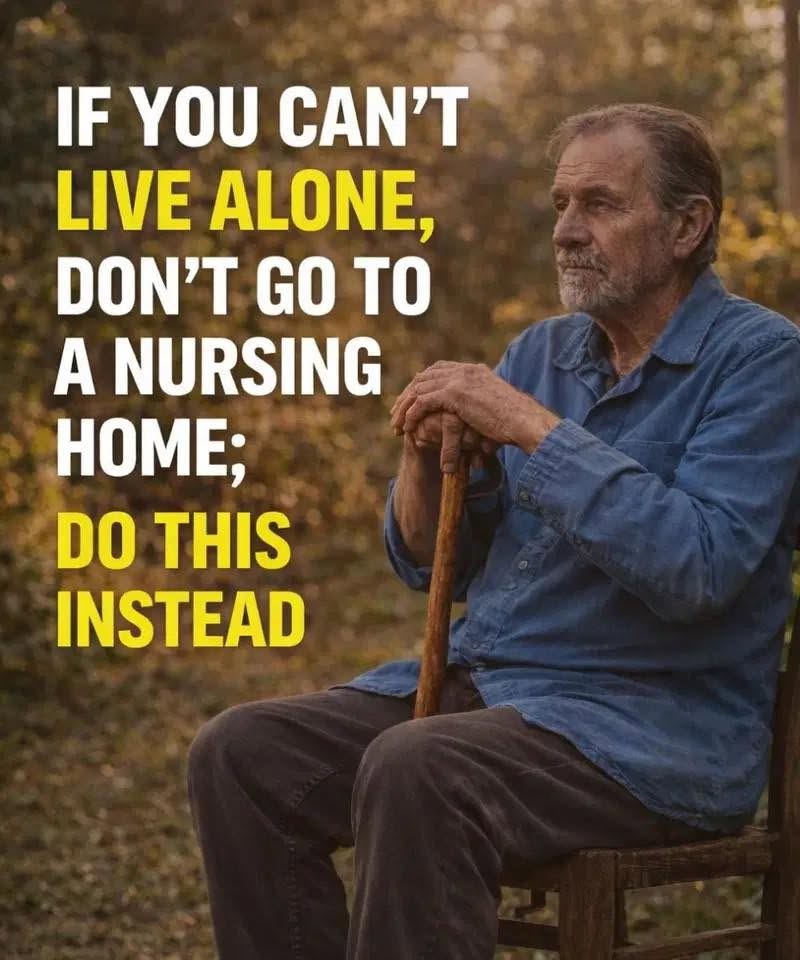
By the time many Americans reach their mid-70s, life can start to feel smaller. Tasks that once felt easy take more effort. Living completely alone may no longer be safe or realistic. And suddenly, the choices ahead seem limited and heavy.
Move in with family.
Hire outside help.
Enter a nursing home.
For decades, we have been taught that this is simply how aging works. Independence fades. Control slips away. Life becomes quieter, slower, and more isolated.
But that story is incomplete.
There is another option. One that preserves dignity, independence, and human connection. And for many older adults, it has proven to be not only more affordable, but far more life-affirming.
When Independence Feels Like It Is Slipping Away
Growing older often comes with an unspoken fear. Not of aging itself, but of losing choice.
The fear of becoming a burden.
The fear of being sidelined.
The fear of having life decided for you rather than by you.
When living alone is no longer safe, many people feel forced into decisions that don’t truly fit who they are. But the truth is, the problem is not age. It is the lack of flexible, humane options that honor autonomy.
Why Moving in With Family Often Falls Short
For many families, the first idea is simple. Move in with a child.
On paper, it sounds ideal. Familiar faces. Emotional closeness. Built-in support.
In reality, it can quietly erode a person’s sense of self.
Living in someone else’s home often means adapting to their routines, their schedules, their priorities. Even with the best intentions, older adults can start to feel like guests in a place that is not truly theirs.
Days can become long and empty. There may be safety, but little purpose. Love, but no role. Presence, but not belonging.
It is not about a lack of care. It is about the loss of independence and identity.
Paid Caregivers: Help Without Connection
Hiring professional caregivers seems like a practical solution. Help with daily tasks. Medication reminders. Safety and supervision.
But for many older adults, the cost is staggering. Monthly expenses can easily exceed several thousand dollars, quickly draining savings built over a lifetime.
Beyond cost, there is another issue that is rarely discussed.
Care can feel transactional.
Different caregivers rotate in and out. Conversations are brief. Schedules are rigid. Relationships remain surface-level. You are cared for, but not truly known.
Loneliness often remains, even when someone is physically present.
Nursing Homes: Safety at the Cost of Freedom
Nursing homes promise structure, meals, medical oversight, and activities. For some, they are necessary and helpful. But for many others, they feel like a last resort.
Rigid routines replace personal choice.
Privacy is limited.
Freedom is reduced.
Days begin to blur together. Decisions feel smaller. Life starts to feel managed rather than lived.
Safety is provided, but autonomy often disappears.
And for people who have spent a lifetime making their own choices, that loss can be deeply painful.
The Unexpected Turning Point
Sometimes, change begins in the smallest way.
