
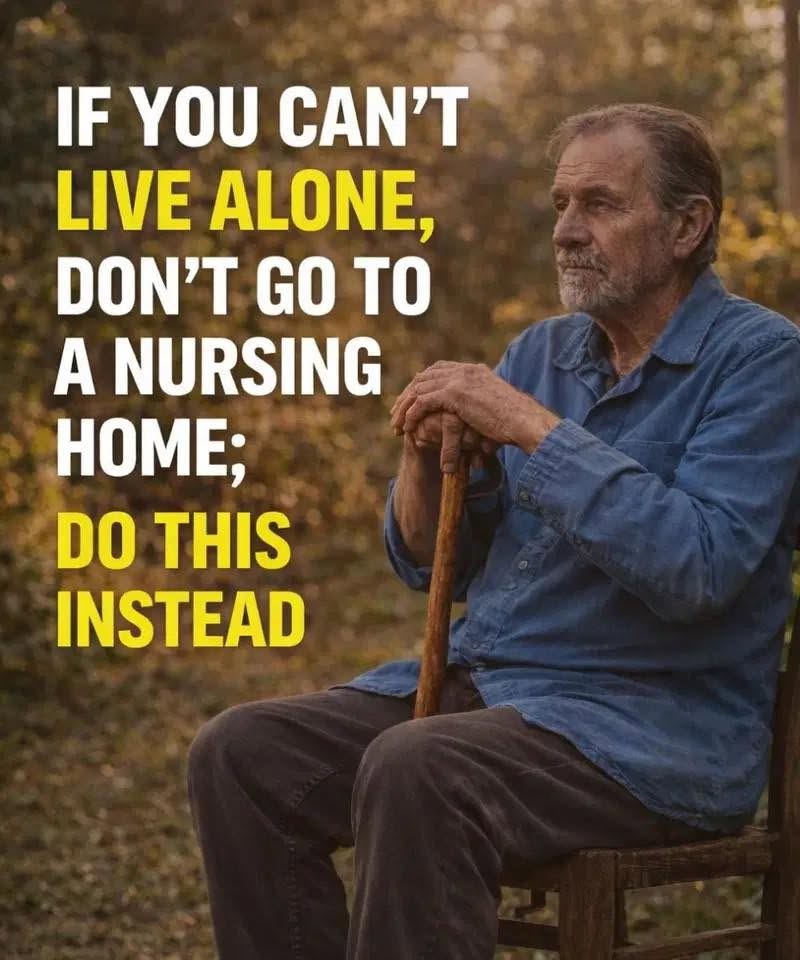
In this case, it started with helping a neighbor.
A simple act. A short conversation. A shared moment.
That small connection sparked something unexpected. More conversations followed. Trust began to form. And slowly, something rare and powerful emerged.
A community.
Not a program.
Not a business.
Not an institution.
Just people looking out for one another.
How an Informal Support Network Took Shape
What developed was not planned. It grew naturally.
One neighbor helped with groceries.
Another offered companionship.
Someone else handled small household tasks.
No contracts.
No schedules written in stone.
No money changing hands.
Everyone contributed what they could. Time. Attention. Skills. Presence.
And in return, everyone received something priceless. Belonging.
Monthly expenses dropped dramatically. Emotional well-being improved. Loneliness faded.
Life felt full again.
Why This Model Works So Well
This approach succeeds because it restores three essential elements that aging often threatens.
Independence Is Preserved
Each person remains in control of their own life. No one is forced into someone else’s routine. Decisions stay personal.
Help exists, but it does not dominate.
Purpose Returns
Helping others brings meaning. Offering companionship, advice, or a listening ear reminds people that they still matter.
They are not being cared for.
They are contributing.
That difference changes everything.
Community Replaces Isolation
Belonging to something shared transforms daily life. No one feels forgotten. No one feels invisible.
There is comfort in knowing that someone nearby notices if you are not yourself, and cares enough to check in.
Aging Does Not Mean Withdrawing From Life
This way of living does not deny the realities of aging. It acknowledges them honestly.
People still need help.
Health challenges still exist.
Limitations are real.
But aging does not have to mean retreating from the world.
It can mean reconnecting to it in deeper, more meaningful ways.
