
10. Shoe and sock choices that help more than you think
Supportive, closed-heel shoes reduce friction and pressure better than flimsy sandals. At home, if your floors are hard like mine, a soft house shoe or cushioned slipper can make a real difference. Look for a back that holds the heel in place and a sole with some padding. Even an extra 1/4 inch of cushioning can reduce the pounding your heels take all day.
For socks, plain cotton is fine for overnight after moisturizing, but during the day I actually prefer moisture-wicking blends if feet sweat a lot. Damp skin plus friction can create a whole different set of foot problems. If you are using a rich ointment at night, keep a dedicated pair of sleep socks so you do not mind if they get a little greasy.
11. Gentle variations for sensitive skin and picky family members
Not everyone loves a full foot-care routine. In my family, some people will happily soak and file, and others want the quickest version possible. For sensitive skin, skip acids and stick with a 10-minute warm water soak, a very gentle buff with a soft washcloth or fine pumice, then a thick fragrance-free cream.
For folks who dislike the feeling of heavy ointment, try a cream with glycerin and ceramides first, then a thinner layer of petroleum jelly just on the cracks. Another easy variation is the “after-shower version”: after a 5-minute shower, file lightly for 20 to 30 seconds, apply cream, and put on socks while getting ready for bed. It is not as intensive as a basin soak, but it is simple enough that people actually keep doing it.
12. When home care is not enough
Sometimes cracked heels need medical attention. If you have deep fissures that bleed, swelling, warmth, pus, severe pain, or redness that spreads, it is time to call a doctor or podiatrist. The same goes for anyone with diabetes, poor circulation, or numbness in the feet. In those cases, even small cracks can become serious quickly, and home scraping is not worth the risk.
Very thick scaling can also be caused by eczema, psoriasis, or fungal infections, not just dry skin. If you have tried a solid routine for 2 to 3 weeks with little improvement, or if one foot is much worse than the other, get it checked. I am all for home remedies when they are appropriate, but there is no prize for toughing out a foot problem that really needs proper treatment.
13. How to keep your heels soft once they improve
Maintenance is wonderfully boring, and that is exactly why it works. Once your heels are looking better, switch to a simple plan: moisturize every night, exfoliate gently 1 to 2 times a week, and wear shoes that do not leave your heels exposed all day long. That small routine usually keeps thick buildup from returning.
I also like to keep a tube of foot cream where I will actually see it, usually by my bedside or in the bathroom cabinet at eye level. If it is tucked away, I forget. If it is right there, I use it. And truly, 60 seconds of cream before bed is often enough to keep feet from slipping back into that dry, cracked, ashy stage.
14. My practical bottom line
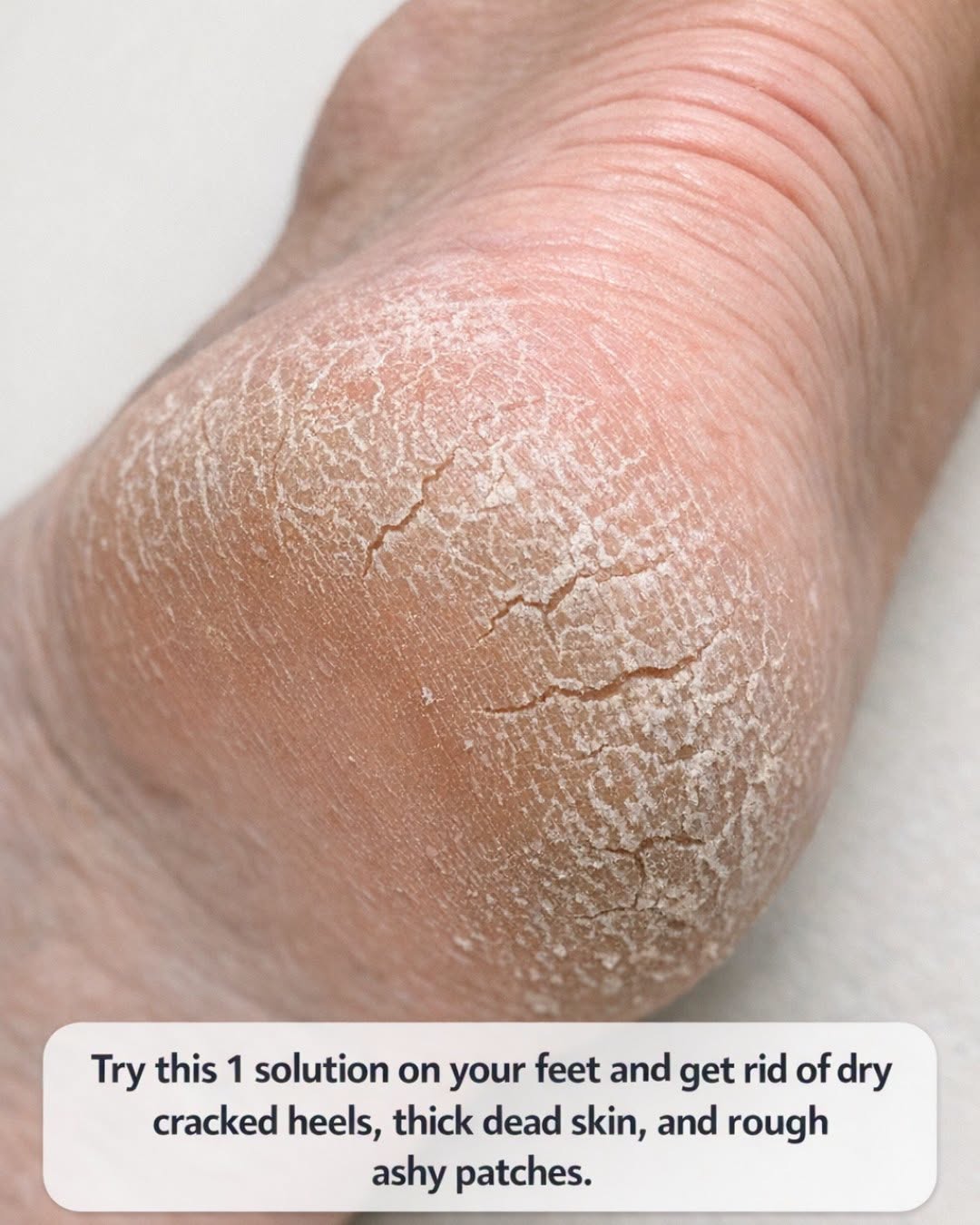
If you want one simple solution, this is the heart of it: soften, gently smooth, and seal in moisture. A warm Epsom salt foot soak for 10 to 15 minutes, careful exfoliation for under a minute per heel, and a thick cream or ointment under socks overnight can make a very noticeable difference without a lot of expense or fuss.
I am a big believer that caring for your feet is not vanity. It is comfort. It is health. It is being able to stand at the stove, walk through the grocery store, or slip on sandals for a family cookout without feeling self-conscious or sore. If your heels are rough right now, start tonight with one basin of warm water and one good layer of cream. Small habits can be surprisingly powerful.
