
10. Ingredients and habits that often make beard dandruff worse
Watch out for heavily fragranced beard balms, alcohol-heavy aftershaves, and waxes that build up around the follicles. Some styling products make the beard look neat for 8 to 10 hours but leave the skin underneath itchy by the next morning. If a product has a long ingredient list with strong fragrance near the top, it may be worth taking a 2-week break from it.
Other common troublemakers are scratching, picking, shaving too closely around irritated edges, and washing multiple times a day. Even “natural” products can be irritating if they contain peppermint, eucalyptus, citrus oils, or cinnamon bark oil. Natural does not automatically mean gentle.
11. What to expect in the first week
Days 1 through 3 are usually about itch reduction. You may still see flakes, but the urge to scratch often eases first. By days 4 through 7, the beard should start to feel softer at the base, and the visible white dusting on dark shirts or collars may lessen. Some people notice that redness around the corners of the mouth or under the chin fades at the same time.
If the flakes suddenly get larger, the skin feels hot, or pimples appear, stop and reassess. That can mean irritation, contact dermatitis, or that the beard area was too occluded by product. More is not better here. For most short beards, 4 to 6 drops of the blend per application is enough.
12. When the problem is probably not simple beard dandruff
Beard flakes are not always simple dryness or seborrheic dermatitis. If you have sharply outlined red plaques with thick silvery scale, that can suggest psoriasis. If there are ring-shaped patches, broken hairs, or tender swollen areas, a fungal infection such as tinea barbae is possible. If bumps contain pus or are painful, folliculitis may be the issue instead.
Those situations need medical evaluation, especially if the rash is spreading, cracking, bleeding, or causing hair loss in patches. A dermatologist may recommend ketoconazole, ciclopirox, a low-strength steroid for short-term use, or another targeted treatment. Tea tree oil is helpful for some people, but it is not a cure-all.
13. A simple weekly routine that works for many people
Here is a practical schedule. Monday: wash beard with gentle cleanser, pat dry, apply 4 to 8 drops of the diluted tea tree mixture. Tuesday: rinse only, then apply 3 to 6 drops at night. Wednesday: wash again if needed after sweat or workouts, then apply the mixture. Thursday: rest day or plain jojoba oil only if dry. Friday: gentle wash, then oil blend. Saturday: soft brushing or light exfoliation for 20 seconds, then plain moisturizer or jojoba. Sunday: apply the blend at night if flaking is active.
That may sound structured, but consistency matters. In cooking, small repetitive steps are what make the difference between a decent result and a truly good one, and skin care is not all that different. Gentle routine beats aggressive rescue every time.
14. The bottom line on getting rid of white flakes in a beard
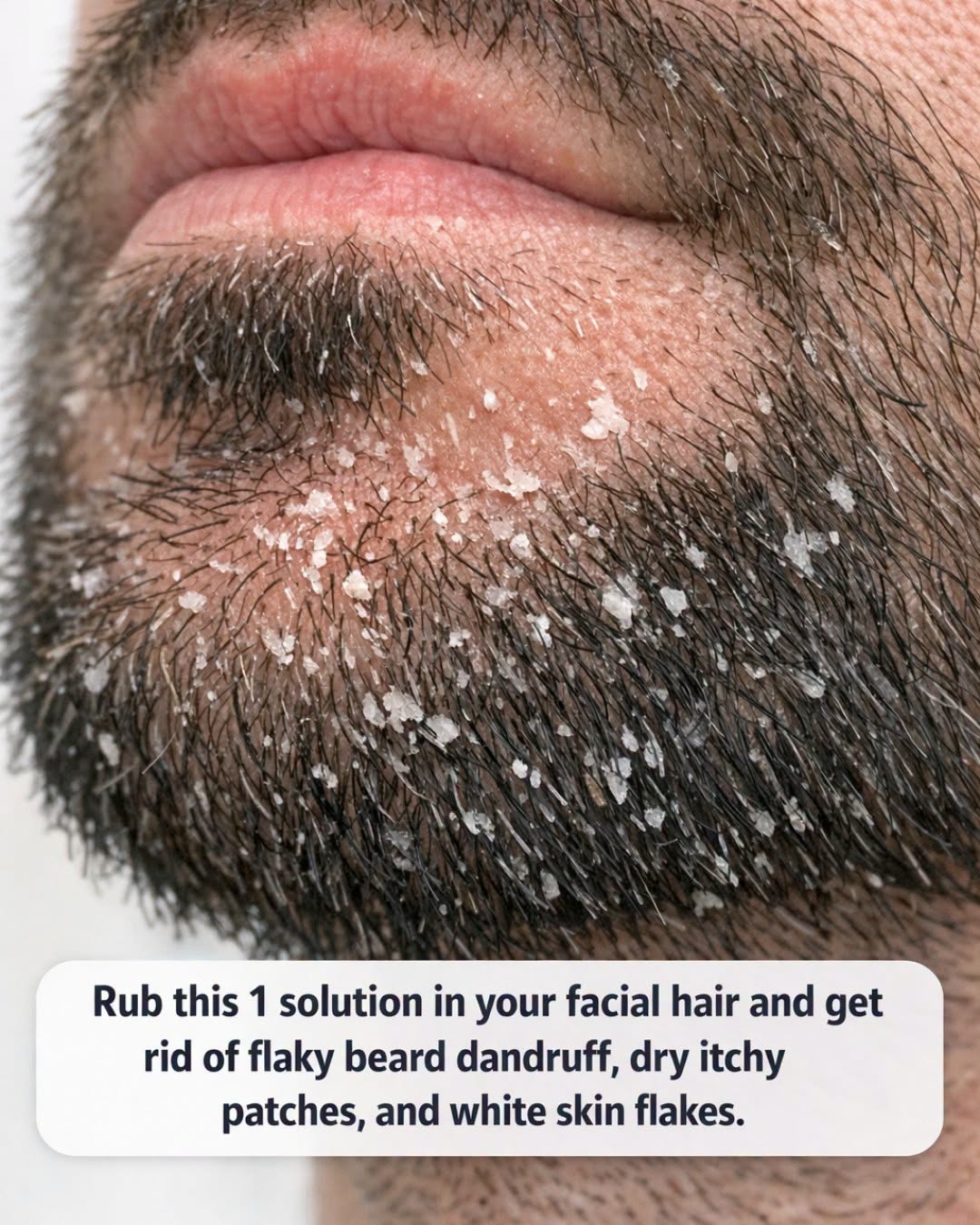
If you want one solid, practical solution, use a properly diluted tea tree oil blend in a light carrier such as jojoba and massage it into the skin under the beard, not just the hair. Start with 1 tablespoon of jojoba oil and 3 drops of tea tree oil, patch test it, use only a few drops per application, and stay consistent for 1 to 2 weeks.
Pair that with gentler washing, less heat, less scratching, and a little patience, and you have a very good chance of calming flaky beard dandruff, dry itchy patches, and white skin flakes. And if the skin is angry, painful, spreading, or not improving after 2 weeks, do not keep guessing. That is the moment to bring in a dermatologist and get the right diagnosis.
