
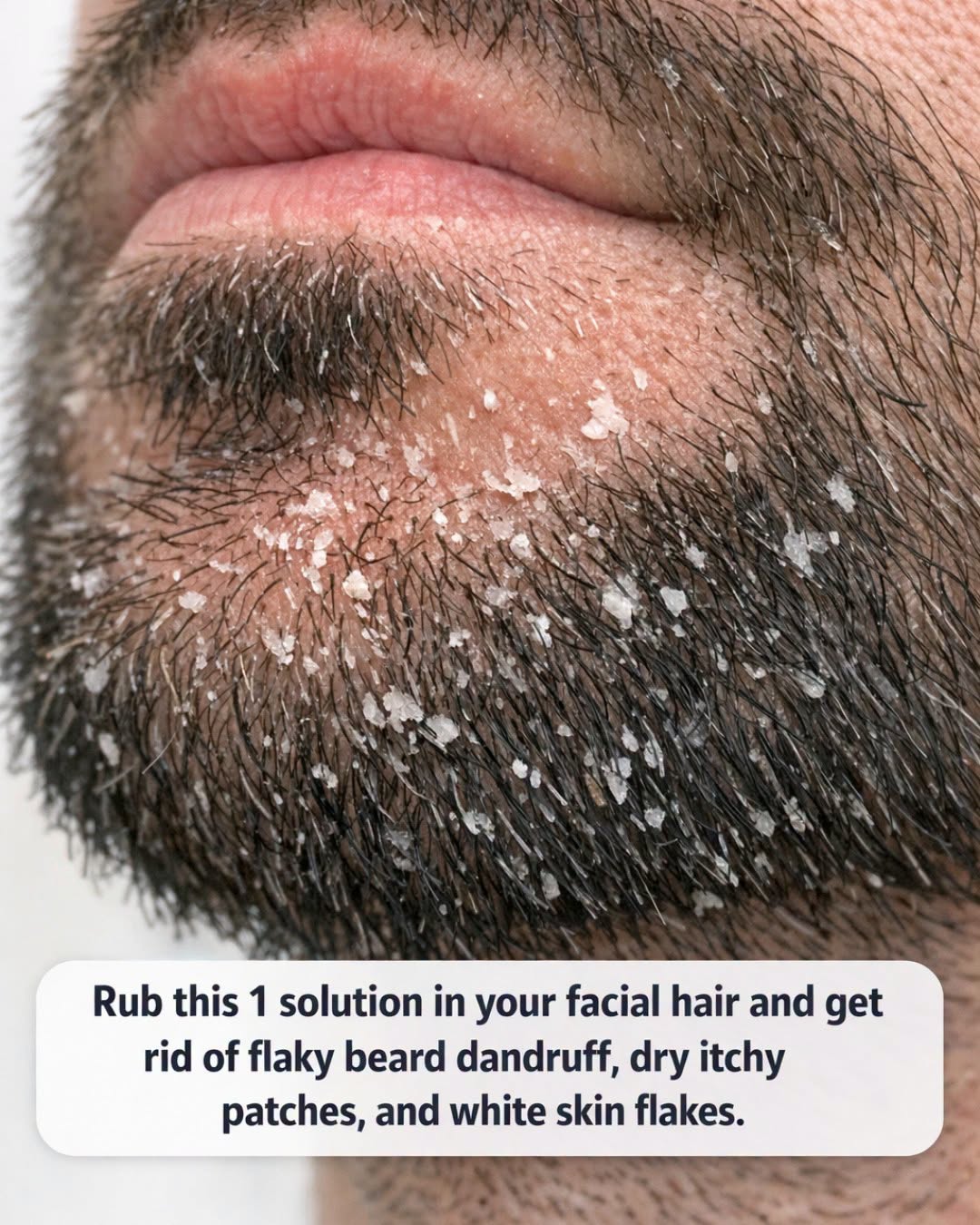
For mild flaking, use the mixture once daily for 7 days, then reduce to 3 or 4 times per week as maintenance. For moderate itching and visible flakes, many people do well applying it nightly for 10 to 14 days. If your skin starts to feel greasy, reduce the amount before you reduce the frequency.
What I tell friends is this: give the routine a fair window. Skin turnover is not instant. You might notice less itching in 2 to 3 days, but visible flaking often takes 1 to 2 weeks to calm down. If there is zero improvement after 14 days, it is time to consider that the problem may be eczema, psoriasis, folliculitis, or a fungal issue that needs a different approach.
6. Patch test first, every single time with essential oils
This is the unglamorous but important step. Before putting the mixture all through your beard, apply 1 small drop to a 1-inch area on the underside of your jaw or behind your ear. Leave it on and monitor the area for 24 hours. Mild herbal scent is normal; burning, swelling, rash, shiny redness, or persistent stinging is not.
If you react, wash it off with a gentle cleanser and lukewarm water, then stop using it. Sensitive skin types, people with rosacea, and anyone with a history of fragrance or essential oil allergy should be especially cautious. In those cases, plain jojoba oil without tea tree may be the safer first test.
7. Wash your beard the right way or the flakes will keep coming back
No oil treatment can do much good if the beard is being stripped daily with bar soap or aggressively scrubbed. Wash your beard 2 to 4 times per week with a gentle beard wash or fragrance-free facial cleanser. On very sweaty days, a quick rinse with lukewarm water is often enough between full washes.
Use water that feels warm but not steaming. Hot water can increase transepidermal water loss almost immediately and leave the skin tight within minutes. When drying, do not grind the towel into the beard. Blot and press instead. That one small change can reduce irritation around the chin quite a bit.
8. Exfoliation helps, but only in a measured way
When white skin flakes are thick, it is tempting to scratch or comb them out forcefully. I would not. That can create micro-cuts, increase inflammation, and make the beard line burn when anything is applied afterward. Instead, use a soft beard brush or silicone facial scrubber 1 to 2 times per week for about 20 seconds after cleansing.
If the scaling is stubborn, a product with 1% to 2% salicylic acid used once or twice weekly under the beard can help loosen the built-up flakes. Do not combine a salicylic acid treatment and tea tree oil for the first time on the same day if you have sensitive skin. Introduce one variable at a time so you can tell what is helping and what is irritating.
9. Moisture matters more than most people realize
One of the biggest reasons beard skin stays flaky is that product sits on the hair shafts while the skin underneath stays thirsty. Applying the solution to slightly damp skin solves part of that. Another useful trick is to wash, pat dry, wait 2 to 3 minutes, then apply the oil blend before the skin fully dehydrates.
In very dry indoor environments, especially in Midwest winters when forced-air heat runs constantly, using a bedroom humidifier can help more than people expect. Raising indoor humidity from around 25% to 40% can noticeably reduce overnight tightness and morning flaking. I have seen skin routines improve just from that one environmental change.
