
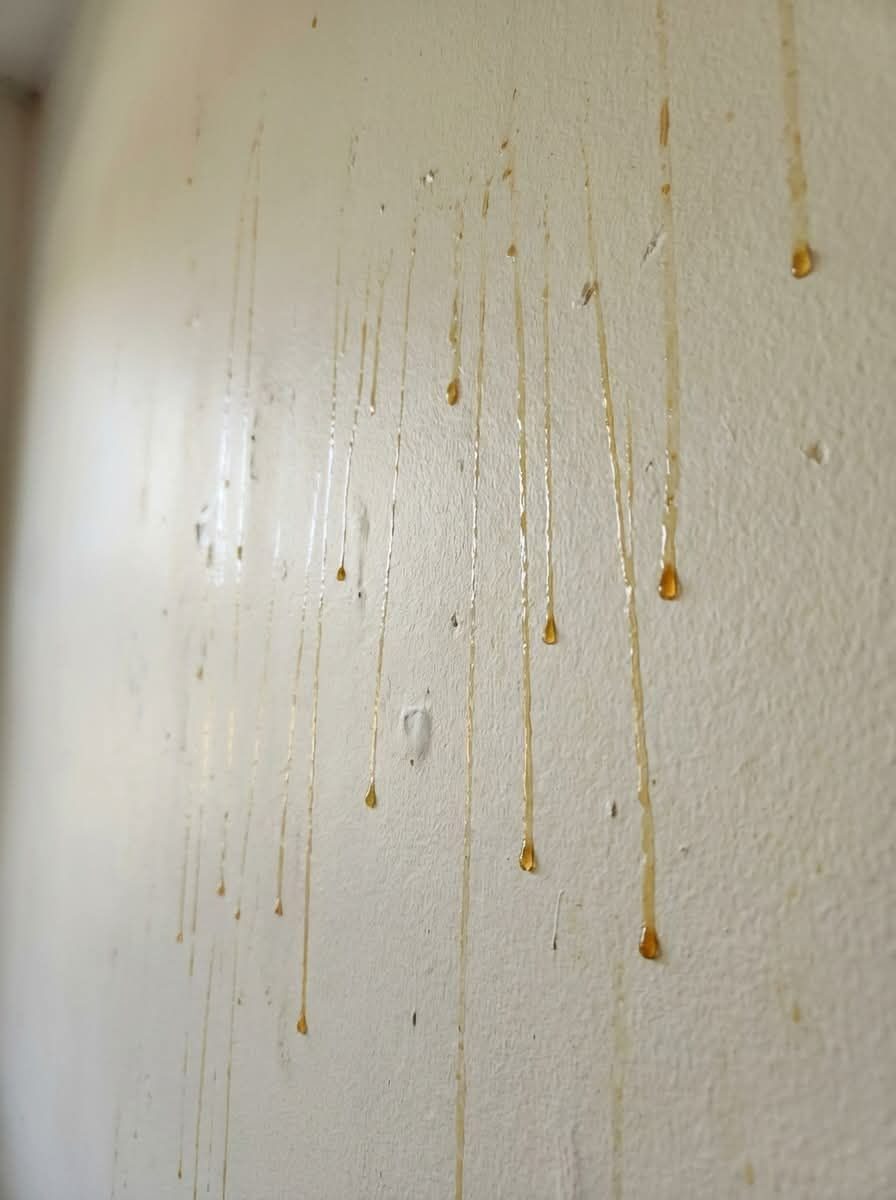
Bathrooms are among the most hospitable environments in any home for mold and mildew growth — they provide the warm temperatures, persistent moisture, and organic material that mold needs to thrive. While mold is most commonly associated with black or green discoloration, certain types of mold and mildew appear yellow in their early stages or produce yellow-colored metabolic byproducts as they grow. If your yellow drips have a fuzzy or powdery texture rather than a smooth, shiny appearance, mold is the more likely culprit than surfactant leaching.
Mold-related yellow staining is most likely to appear in the corners of the bathroom, along the grout lines between tiles, at the base of walls near the floor where water accumulates, and anywhere the wall surface stays damp for extended periods. Unlike surfactant leaching, mold does need to be addressed promptly — it can spread, worsen air quality, and cause structural damage to walls over time if the underlying moisture problem is not resolved.
4. Cleaning Product Residue
Certain cleaning products — particularly sprays and products containing oils, waxes, or silicone-based compounds — can leave behind a thin film on bathroom walls after use. Under normal conditions this film is invisible, but when the bathroom fills with steam repeatedly, that film can be mobilized and carried down the wall surface in streaks. Hair products including hairspray, dry shampoo, and conditioning sprays can also coat wall surfaces near where they are applied and produce similar effects when exposed to steam over time.
5. Tobacco Residue
If anyone smokes in or near the bathroom, tar and nicotine from cigarettes can gradually coat wall surfaces. When these deposits are exposed to steam and condensation, they can be mobilized and run down the wall in yellowish-brown streaks. This cause is worth considering even if no one currently smokes in the home — if previous occupants smoked, residue can remain on walls and become visible years later when humidity mobilizes it.
6. Old Wallpaper Paste Bleeding Through Paint
If your bathroom walls were previously wallpapered and the wallpaper was removed before painting, any adhesive paste that was not fully cleaned from the wall surface before painting can absorb moisture and bleed through the paint in humid conditions. This produces yellowish spots and streaks that appear seemingly from nowhere and recur repeatedly despite cleaning, because the source of the problem is behind the paint layer rather than on the surface.
