
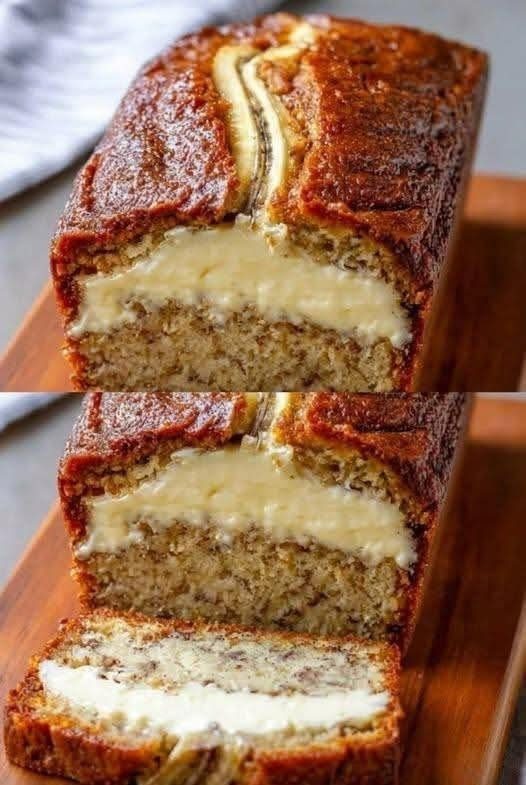
Remove the bread from the oven and allow it to cool in the pan for ten minutes before turning it out onto a wire rack. Allow the loaf to rest for at least fifteen to twenty minutes before slicing into it — this resting period is genuinely important rather than just a suggestion born of impatience. The interior of the bread continues to set and firm up from residual heat during this period. Slicing too early produces a slightly gummy, underdone texture in the crumb even if the outside looks perfectly baked. Patience for these few minutes is rewarded with clean, neat slices and the proper tender texture that makes this bread so satisfying.
Tips for the Best Possible Results
The freshness of your baking powder and baking soda matters more in this recipe than in almost any other baked good, because these are the only leavening agents the bread has. Baking powder that is more than six months old after opening, or that has been stored in a humid environment, may have lost enough potency to produce a noticeably denser, flatter loaf. Test your baking powder before using it: drop half a teaspoon into a small cup of hot water. It should fizz vigorously and immediately. If the reaction is sluggish or absent, replace the baking powder before proceeding. This thirty-second test can save an entire loaf of bread from disappointing results.
Once you add the liquid to the dry ingredients, work efficiently and get the bread into the oven as quickly as possible. The chemical reaction between the leavening agents and the liquid begins immediately upon contact, producing carbon dioxide gas. If you allow the mixed batter to sit on the counter for an extended period before baking, the gas escapes before the bread has a chance to set it in place, resulting in a less risen, denser loaf. Mix quickly, shape quickly, and bake immediately.
For the most authentic Depression-era result, use lard rather than butter or vegetable oil. Lard — the rendered fat that was a standard kitchen staple in early twentieth-century American cooking — produces a particularly tender, flavorful crumb with a quality that butter and vegetable oil, while both good, do not quite replicate. If lard is not something you keep on hand, butter produces a richer flavor than vegetable oil and is the better substitute of the two for this recipe.
Variations Worth Exploring
This base recipe is a wonderful canvas for simple additions and variations. Replacing up to half of the all-purpose flour with whole wheat flour adds a pleasant nuttiness and slightly denser texture that many people prefer, and it brings the bread closer to what would have been made in the 1930s when refined white flour was a more precious commodity than coarser whole grain alternatives. A small handful of fresh or dried herbs — thyme, rosemary, sage — stirred into the dry ingredients transforms the loaf into something that pairs beautifully with soups and stews. A tablespoon of granulated sugar increased to two tablespoons and a teaspoon of cinnamon stirred in alongside a handful of raisins produces a simple breakfast bread that is genuinely lovely toasted with butter. A scattering of grated sharp cheddar folded into the batter just before baking creates a savory cheese bread that disappears remarkably quickly at any table.
Serving and Storing
This bread is at its absolute best on the day it is baked, served warm from the oven with a generous spread of real butter. The crust is at its most shatteringly crisp in the first hour after baking, and the crumb is at its most tender and soft. It pairs extraordinarily well with soups, stews, braised meats, and anything else with a rich, savory sauce worth soaking up. It makes exceptional toast the following morning, which is another of its virtues — it ages gracefully into excellent toast even as it loses some of its fresh-baked softness.
Store the fully cooled loaf in an airtight container or wrapped tightly in plastic wrap at room temperature for up to two days. Because this bread contains no preservatives and no yeast-based fermentation that helps extend shelf life, it stales somewhat faster than commercial bread or slow-fermented yeast breads. For longer storage, slice the cooled loaf and freeze individual slices separated by squares of wax paper in a zip-lock freezer bag for up to one month. Toast frozen slices directly from the freezer with no need to thaw first, and they will emerge tasting nearly as good as freshly baked. This loaf is humble, honest, and deeply satisfying — a testament to what can be accomplished with almost nothing at all.
