
The Float Test
Fill a bowl with water and gently place the egg inside.
- Fresh eggs sink and lie flat at the bottom.
- Slightly older eggs stand upright but remain submerged.
- Bad eggs float, because air has built up inside the shell.
The Crack Test
Crack the egg into a separate bowl.
- Fresh eggs have firm yolks and thick whites.
- Older eggs have flatter yolks and runnier whites.
If the egg smells unpleasant or looks unusual, it’s best to throw it away.
Tips for Buying the Freshest Eggs
Food safety experts recommend the following:
- Buy eggs from refrigerated displays.
- Check the carton for cracks or dirt.
- Look for official quality grading labels when available.
- Purchase only the amount you plan to use rather than stocking up.
Ideas for Using Eggs Before They Expire
If you find yourself with eggs nearing their expiration date, try using them in these delicious dishes:
- Quiche – A savory, cheesy dish perfect for brunch
- Shakshuka – Eggs poached in a flavorful tomato sauce
- Homemade pasta – Rich and fresh with plenty of eggs
- Breakfast burritos – Scrambled eggs with vegetables and cheese
- Pound cake – Dense, buttery dessert
- Crème brûlée – A classic custard topped with caramelized sugar
- French toast – Perfect for slightly older eggs
- Soufflé – Light and airy baked dish
- Egg muffins – Great for meal-prep breakfasts
Final Thought
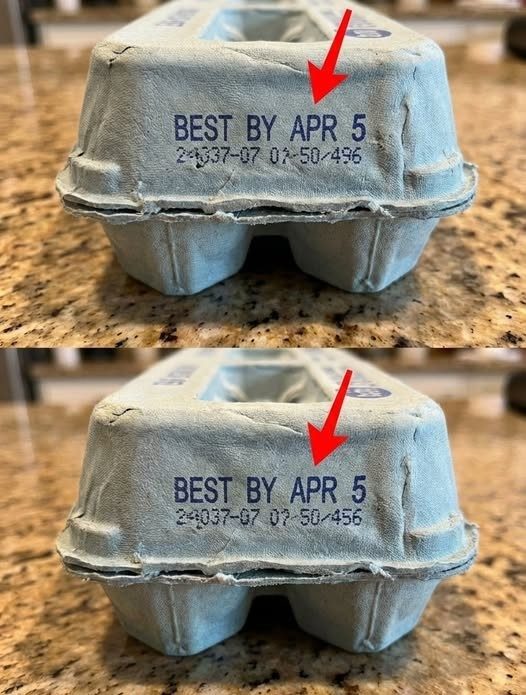
Next time you’re at the grocery store, take a moment to check the Julian date, plant code, and carton condition before adding eggs to your cart.
Understanding these simple codes can help you choose fresher eggs, improve food safety, and enjoy better-tasting meals.
Did you already know what those mysterious codes on egg cartons mean? Share this information with others so they can crack the code too! 🥚
Advertisement
