
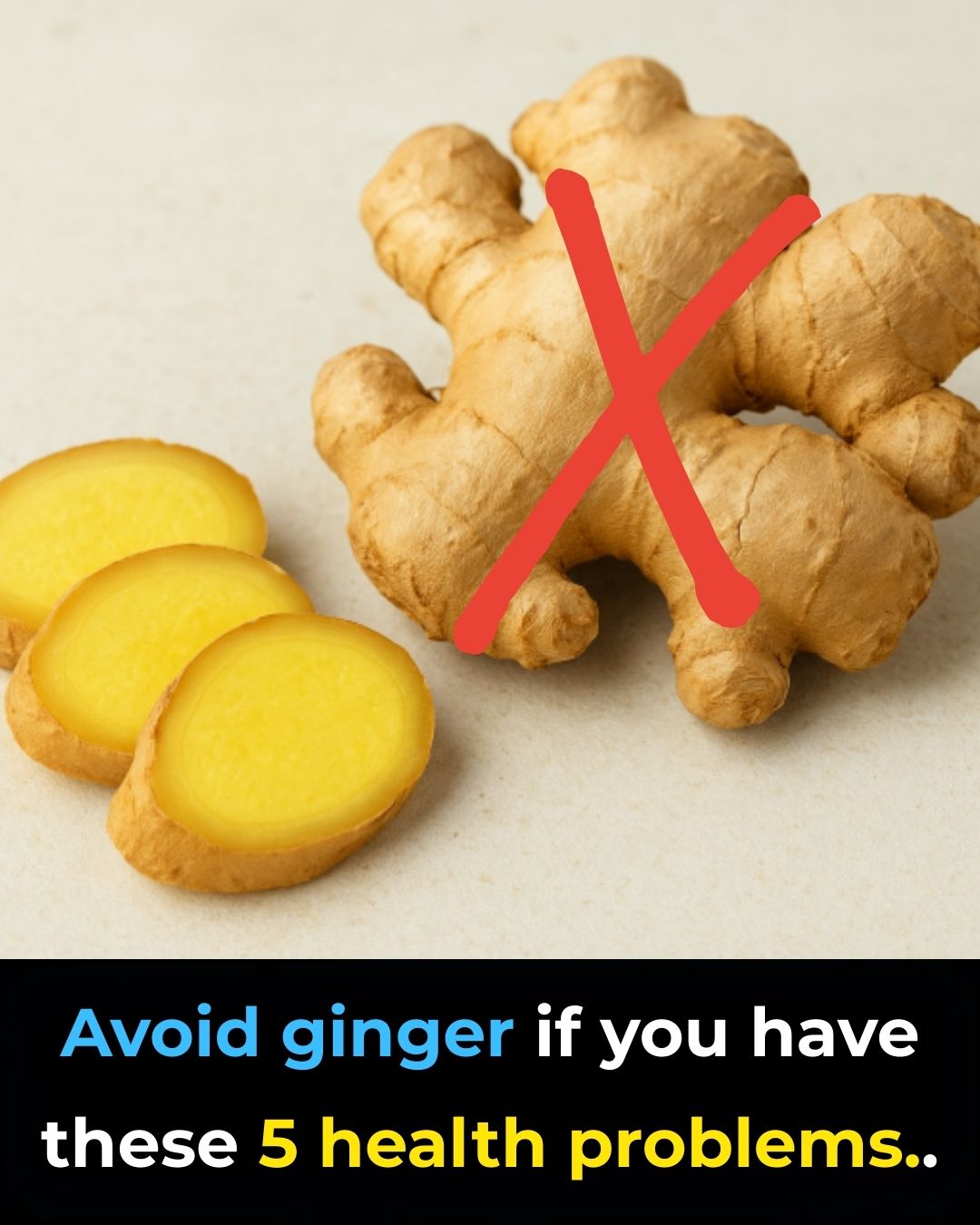
Ginger—a fragrant rhizome celebrated for soothing digestion, easing nausea, and adding warmth to both savory and sweet dishes—is widely regarded as a kitchen staple with gentle wellness benefits.
In typical culinary amounts (½ to 1 teaspoon fresh or dried per serving), it’s safe for most people.
However, concentrated forms—such as supplements, extracts, or daily high-dose teas—may interact with certain health conditions or medications. Below is a science-informed overview of situations where mindful use or medical consultation is advisable.
Important note: This guidance applies primarily to therapeutic doses (≥2 grams daily) or supplements—not occasional culinary use. Always consult your healthcare provider before making dietary changes related to a medical condition.
Situations Requiring Awareness
1. Blood Thinning & Bleeding Disorders
Ginger contains compounds (gingerols, shogaols) with mild antiplatelet effects—meaning it may modestly slow blood clotting. For most people, this poses no concern. However, those with:
→ Hemophilia or other clotting disorders
→ Upcoming surgery (stop high-dose ginger 7–10 days pre-op)
→ Taking anticoagulants (warfarin, apixaban) or antiplatelet drugs (aspirin, clopidogrel)
…should discuss ginger intake with their physician. Culinary use is typically fine; supplements warrant caution.
2. Diabetes Management
Ginger may modestly enhance insulin sensitivity and lower blood glucose. While potentially beneficial, this effect requires monitoring for those on:
→ Insulin or oral hypoglycemics (metformin, sulfonylureas)
→ Tight glucose control protocols
Practical approach: Track blood sugar if adding ginger regularly; adjust medication only under medical supervision.
3. Gallbladder Conditions
