
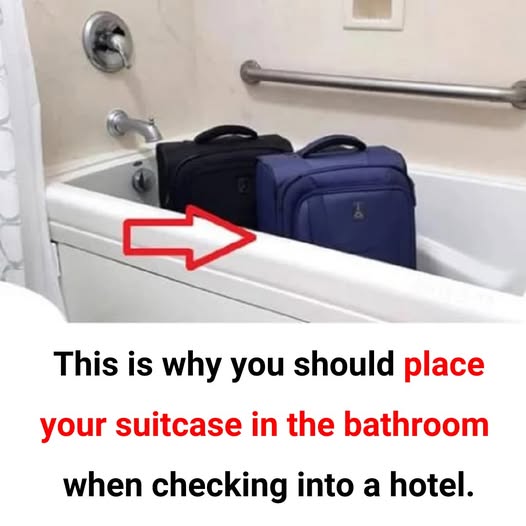
Step 1: Bathtub First, Everything Else After
The moment you enter your hotel room — before you sit on the bed, before you open your suitcase, before you even take off your jacket — walk directly to the bathroom and place your luggage inside the bathtub. This single action protects your belongings from any bed bugs that may be present in the room while you conduct your inspection. For added protection, you can wrap your luggage in large plastic garbage bags before placing them in the tub — this keeps any bathroom moisture away from your bags and keeps any outside dirt from contaminating the tub surface.
Step 2: Thoroughly Inspect the Room Before Unpacking
With your luggage safely stored in the bathtub, you can now inspect the room methodically without worrying about your belongings. Pull back the bedding and carefully examine the mattress, focusing on the seams, corners, and folds. Check the box spring if accessible. Look behind the headboard. Run a flashlight along the joints of the bed frame. Check inside any drawers and along the back of the closet. Look at the luggage rack carefully — inspect the legs, which can harbor bugs in their hollow centers. You are looking for the bugs themselves (small, flat, reddish-brown), their shed skins, dark droppings that look like tiny ink spots, or small blood stains on light-colored surfaces.
Step 3: Decide Where to Keep Your Luggage for the Rest of Your Stay
If your inspection finds no signs of bed bugs, you have more options for where to keep your luggage during the rest of your stay. The bathtub remains the safest option throughout the entire trip. However, if the room appears clear, you can use the luggage rack — with the important caveat that you should choose racks with solid legs rather than hollow ones, and inspect it carefully first. What you should never do under any circumstances: place your open suitcase on the bed, leave it on the floor near upholstered furniture, or lay clothing directly on the bedding or mattress. Even after a clean inspection, keeping your bags away from fabric surfaces is simply good travel practice.
Why the Bathtub Works So Well — The Science Behind It
The effectiveness of the bathtub strategy is backed by what entomologists know about bed bug behavior and environmental preferences. Bed bugs rely on fabric surfaces, dark crevices, and proximity to human sleeping areas to survive and reproduce. A bathtub offers none of these things. Its smooth porcelain or acrylic surface gives the insects almost nothing to grip or cling to. Its open, well-lit, and frequently cleaned nature provides none of the dark, undisturbed hiding spots they require. And its location in the bathroom — physically separated from the main sleeping area where bugs concentrate their activity — adds an additional barrier of distance.
Bed bugs are also described as exceptionally skilled hitchhikers. They can survive for months to over a year without a blood meal, meaning an infested suitcase left in a closet or stored in the car can lead to a home infestation many months after you return from a trip. A Rutgers University study found that marked bed bugs released in one apartment unit were found in five out of six neighboring units within a single month — illustrating just how effectively and rapidly these insects spread through connected spaces. Getting them into your luggage at a hotel is one of the most common and avoidable pathways to a home infestation.
