
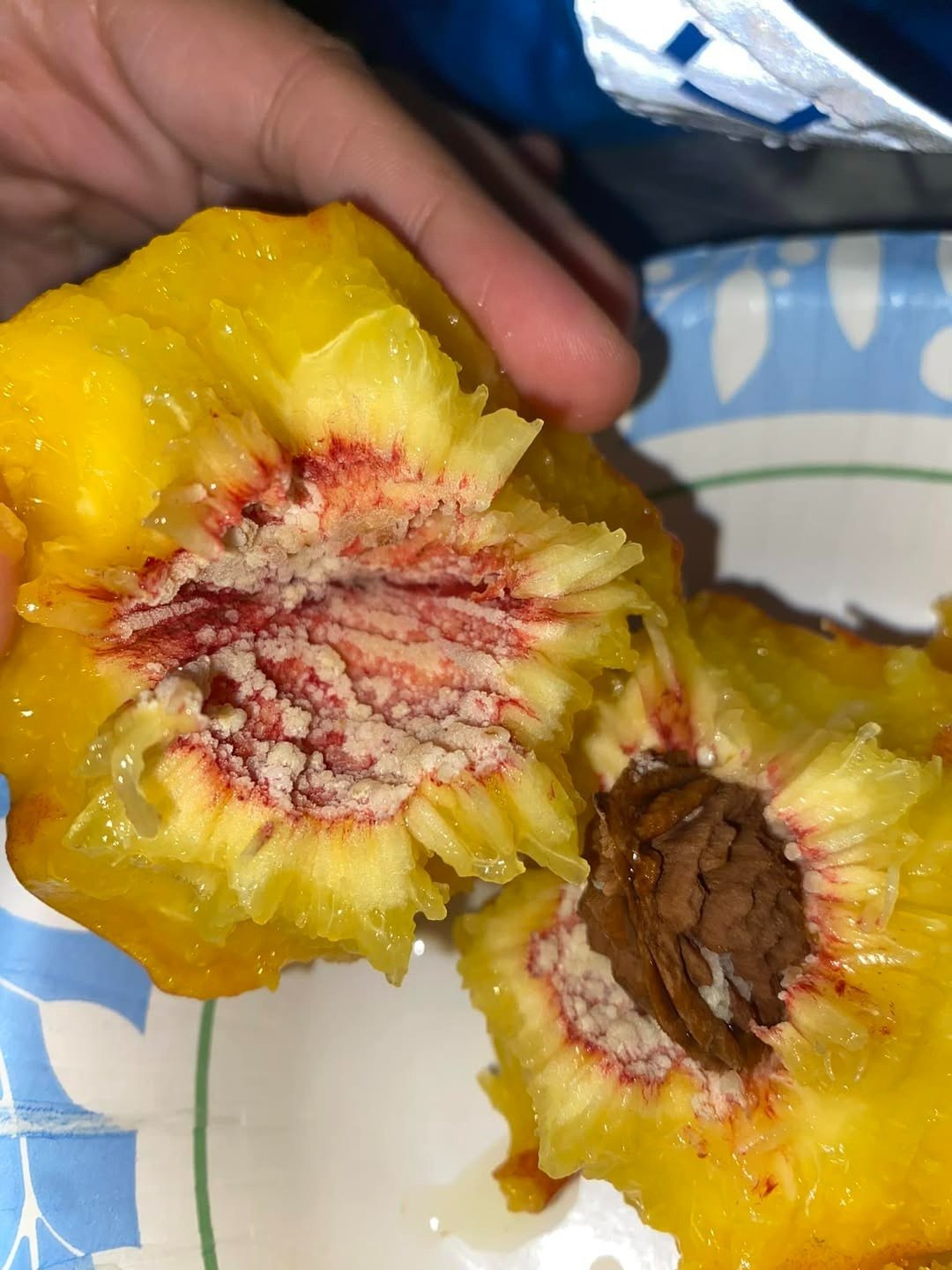
They contain amygdalin , a compound that can release hydrogen cyanide when chewed or digested. While the amount is usually small, consuming large quantities can be toxic.
However, roasted or processed seeds are sometimes used in flavorings or almond substitutes — though this is typically done under controlled conditions.
Water Supply & Treatment
So unless you’re a trained chef or food scientist — don’t eat peach seeds .
📈 Monetization Hacks for Bloggers & Content Creators
If you run a food blog, gardening site, or lifestyle channel, this type of content is perfect for AdSense optimization and affiliate marketing opportunities.
Here’s how to monetize it:
Place display ads between key sections.
Recommend kitchen tools like fruit slicers, dehydrators, or storage containers using affiliate links.
Offer downloadable “Safe Food Handling Guide” behind email opt-ins.
Create a short video explaining the topic for YouTube, TikTok, or Instagram Reels with affiliate links in the description.
📊 SEO Tips for Maximum Reach
To help your post rank higher in search engines, optimize for these keywords:
“White stuff on peach pit”
“What is the white stuff in peach pit?”
“Peach pit white coating”
“Are peach seeds safe to eat?”
“Is mold on peach pit dangerous?”
Use them naturally throughout your content, especially in:
Headings
Image alt text
Meta descriptions
Video titles and tags
❓ Frequently Asked Questions
Q: Can I plant a peach pit that has white stuff inside?
A: Yes! The white coating doesn’t affect germination. Just rinse it off and follow standard planting instructions.
Q: Is the white stuff on other stone fruits normal too?
A: Yes — cherries, plums, and apricots can also show similar seed coatings.
Q: Can mold on the pit spread to the fruit?
A: Yes — mold can travel through tiny cracks. Always check the flesh before eating.
Q: What does mold on a peach look like?
A: Usually white, fuzzy, or discolored patches — sometimes with a musty smell.
🧾 Final Thoughts
That mysterious white stuff on your peach pit isn’t always a cause for concern. More often than not, it’s a normal part of the seed structure and nothing to worry about.
But if it comes with mold, a foul odor, or signs of rot, it’s time to say goodbye to that peach and grab a fresher one.
Now that you know the truth, you can enjoy your summer stone fruits with confidence — and maybe even impress your friends with your newfound peach pit knowledge!
