
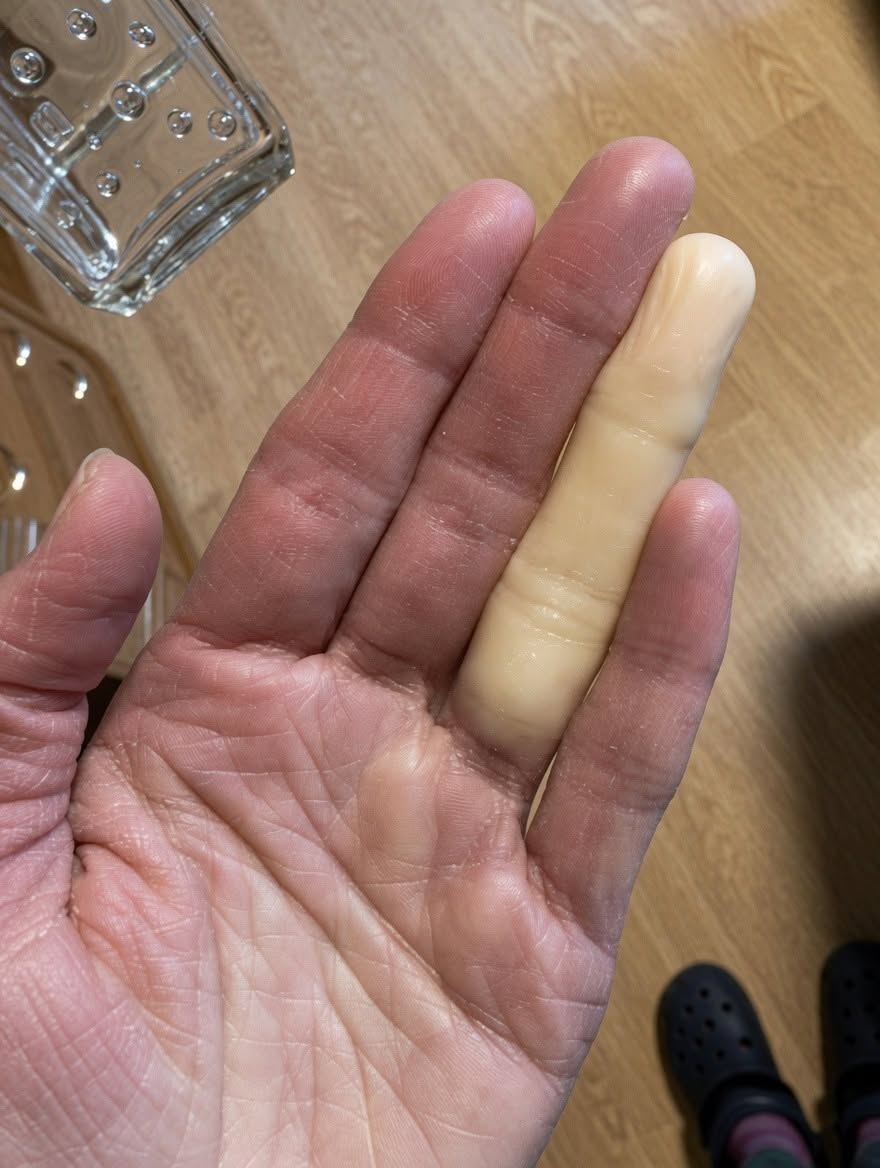
Waking up to discover one of your fingers has turned completely stark white, looking almost bloodless compared to the rest of your hand, can be a startling experience. This visual phenomenon is frequently shared across social media platforms, often accompanied by cautionary captions about sleeping in cold rooms, leaving the air conditioning blasting overnight, or unintentionally resting heavy pressure on an arm or hand during deep sleep.
When your body’s natural response to environmental shifts—such as a drop in bedroom temperature or physical compression—overreacts, it can temporarily alter the way blood circulates to your outermost extremities. Understanding why this happens, how overnight habits influence your circulation, and what steps you can take to maintain comfortable warmth and blood flow throughout the night is essential for proactive wellness.
1. Understanding Temporary Microvascular Spasms in Extremities
When an extremity like a single finger or toe loses its typical pinkish hue and turns pale or white, it is generally due to a localized event known as a vasospasm. This occurs when the tiny, delicate blood vessels that supply blood flow directly beneath your skin suddenly narrow or constrict significantly.
The Mechanism Behind the Sudden Color Shift
Under normal conditions, your body dynamically regulates its internal core temperature by adjusting the diameter of peripheral blood vessels. When your surroundings cool down, the nervous system signals these vessels to constrict slightly, conserving vital heat for your internal organs.
However, for a significant portion of the population, these small blood vessels are extra-sensitive. When triggered by a sudden chill or prolonged exposure to a cool draft, the vessels can experience an overactive contraction. This dramatic narrowing limits the volume of blood traveling through the area, resulting in:
The White Phase: The tissue turns pale or white as localized blood flow becomes highly restricted.
The Blue Phase: The area may sometimes transition to a bluish tint due to a temporary lack of fresh oxygen in the local tissue.
The Red Phase: As the area gradually rewarms and the spasm relaxes, blood rushes back into the vessels, frequently causing a bright red flush accompanied by a warm, tingling, or prickly sensation.
Primary vs. Secondary Peripheral Vascular Sensitivity
This pattern of vascular reactivity is widely recognized within health and wellness contexts under the umbrella of peripheral sensitivity or specific vascular phenomena. It is generally categorized into two main forms:
Type General Characteristics Typical Triggers
Primary Sensitivity Occurs independently without any underlying health complications. It is incredibly common, completely harmless for the vast majority, and often runs in families. Mild drops in temperature, damp weather, stepping into an air-conditioned room, holding a cold beverage, or experiencing sudden emotional stress.
Secondary Sensitivity Less common; happens as a secondary reaction linked to an underlying systemic condition or occupational factor. Long-term use of heavy vibrating tools, specific pharmaceutical side effects, or prior deep-tissue cold injuries.
2. Nighttime Triggers: Why This Manifests During Sleep
Many individuals notice this distinctive color change specifically upon waking in the morning or during the middle of the night. Sleep introduces a unique set of physiological and environmental variables that can act as catalysts for localized circulatory shifts.
The Impact of Low Air Conditioning and Chilly Room Environments
One of the most frequent contemporary culprits is the improper management of indoor climate control. Sleeping with an air conditioning unit set to an excessively low temperature—or positioning your bed directly beneath a continuous, downward stream of cold air—can cool the skin surface dramatically over several hours.
Because your metabolic rate naturally drops and your core body temperature lowers slightly during deep sleep cycles, your extremities become highly vulnerable to external temperature drops. A continuous chilly draft blowing over an exposed hand resting outside the blankets is often all it takes to activate a localized vascular spasm, leaving a finger looking entirely bloodless by morning.
Physical Compression and Awkward Sleep Postures
Another highly common reason for localized numbness, tingling, and paleness upon waking is physical compression. If you roll over onto your arm or tuck your hand tightly beneath your body, pillow, or partner during sleep, the sustained weight can compress both the local nerves and peripheral blood vessels.
While resting on a limb typically causes the classic “pins and needles” sensation (temporary nerve compression), it can also physically impede surface-level blood flow. When combined with a cool bedroom environment, this physical pressure makes it even easier for sensitive micro-vessels to narrow fully.
3. Practical Strategies for Maintaining Optimal Nighttime Circulation
Preventing these uncomfortable morning surprises involves creating an optimal sleeping environment and adopting mindful evening habits that encourage steady, uninterrupted peripheral blood flow.
Optimization of Bedroom Climate Control
Managing your ambient room temperature is the single most effective way to protect sensitive fingers and toes from overnight chills.
- Set Moderate Temperatures: Instead of cooling your bedroom excessively, aim to keep your air conditioning set to a stable, comfortable range between 24°C and 26°C.
- Redirect Air Currents: Adjust the louvers or directional flaps on your air conditioning unit so that the cold air circulates evenly along the ceiling or walls rather than blowing directly down onto your bed.
- Utilize Programmable Timers: If your unit has a sleep mode or an automatic timer, program it to turn off or slightly raise the temperature a few hours after you fall asleep, matching your body’s natural metabolic changes.
Selecting the Right Sleep Attire and Bedding
Insulating your body correctly ensures your core stays warm, which prevents your nervous system from triggering protective vascular constriction in your hands and feet.
- Layered Bedding: Use breathable, layered blankets that trap body heat effectively without causing overheating.
- Protecting Your Extremities: If you are highly prone to experiencing cold, pale fingers or toes, consider wearing soft, loose-fitting cotton socks or specialized lightweight sleep mittens to bed during cooler seasons.
- Avoiding Tight Elastic: Ensure that your pajamas, wristbands, and socks do not feature tight, restrictive elastic bands that could physically constrict blood flow.
Adjusting Sleep Ergonomics
Modifying your sleep posture can drastically minimize the chances of waking up with a compressed, numb limb.
- Supportive Pillows: Utilize ergonomic pillows or body pillows to support your arms and legs, preventing you from accidentally rolling over and pinning your hands beneath your torso.
- Mindful Posture: Train yourself to sleep on your back or in a relaxed side position where your arms rest naturally at your sides or gently folded across your chest, rather than tucked awkwardly under your head or mattress.
4. Lifestyle and Wellness Adjustments to Support Vascular Health
Beyond changing your immediate sleep environment, long-term support for your body’s circulatory system involves cultivating healthy daily routines that promote vessel elasticity and overall wellness.
The Role of Consistent Physical Activity
Regular movement is one of the most powerful tools for maintaining a robust circulatory system. Engaging in cardiovascular exercises—such as brisk walking, cycling, swimming, or yoga—strengthens the heart, optimizes systemic blood flow, and trains peripheral blood vessels to expand and contract efficiently. Simple hand and finger stretches before bed can also stimulate local warmth.
Stress Management Techniques
Because peripheral blood vessels are closely linked to the sympathetic nervous system (the system responsible for the “fight or flight” response), emotional stress and anxiety can actively trigger or worsen vasospasms. Incorporating calming practices like deep breathing exercises, mindfulness meditation, or a warm bath before sleep can keep your nervous system relaxed and balanced.
Dietary Considerations for Circulatory Comfort
What you consume throughout the day can influence how your blood vessels react to environmental shifts.
- Prioritize Hydration: Dehydration can cause blood volume to drop slightly, making circulation to your furthest extremities less efficient. Ensure you drink adequate water throughout the day.
- Moderate Caffeine Intake: Stimulants like caffeine can cause temporary narrowing of the blood vessels. If you experience frequent cold extremities at night, try limiting your intake of coffee, energy drinks, or strong teas in the late afternoon and evening.
- Supportive Nutrition: Eating a balanced diet rich in essential nutrients supports general blood vessel integrity and healthy cellular function.
5. What to Do in the Moment: Safe and Gentle Rewarming
If you wake up and discover that a finger or toe has turned white and feels numb, there is no need to panic. The primary goal is to encourage blood flow to return to the area gently and gradually without causing tissue irritation.
Best Practices for Rapid Relief
- Move to a Warmer Space: If your bedroom feels excessively chilly, move to a warmer room or wrap yourself comfortably in a thick blanket.
- Gentle Movement: Wiggle your fingers and toes continuously. You can also make wide, gentle circles with your arms; this utilizes centrifugal force to help encourage blood to flow downward into your fingertips.
- Utilize Core Body Heat: Place your cold hand directly into a naturally warm area of your body, such as tucked under your armpit or held between your thighs, for a few minutes.
- Use Lukewarm Water: If accessible, run lukewarm water over the affected hand. Ensure the water is comfortably mild and not hot, as sensitive skin can easily be irritated or damaged when blood flow is compromised.
- Light Massage: Gently stroke or massage your hand moving from the palm toward the fingertips to encourage natural circulation.
Actions to Avoid
- Avoid Intense Heat: Never place your hands directly against a hot radiator, heating pad, or under scalding water. Because the area is temporarily numb, you cannot accurately judge the temperature, which increases the risk of accidental skin damage.
- Avoid Vigorous Rubbing: Do not aggressively scrub or rub the affected skin, as this can irritate the delicate micro-vessels.
6. Recognizing When to Seek Professional Guidance
For the vast majority of people, waking up occasionally with a pale or numb finger due to cold air or sleep posture is a harmless inconvenience that resolves completely within 15 to 20 minutes of rewarming. However, it is always a wise and proactive wellness step to monitor your symptoms and know when an expert opinion is beneficial.
When to Consult a Primary Care Professional
Consider scheduling a standard check-in with a healthcare provider if you notice any of the following patterns:
- The episodes become increasingly frequent, severe, or significantly disrupt your ability to rest comfortably.
- The color changes, numbness, or tingling consistently affect only one specific side of your body or a single isolated limb.
- You experience the onset of these symptoms for the very first time later in adult life (such as after the age of 30 or 40).
- The white or bluish discoloration persists for an extended duration, taking much longer than 30 minutes to improve after thorough rewarming.
- You notice secondary signs such as persistent joint discomfort, unusual skin rashes, localized skin cracking, or slow-healing sores on your fingertips.
A healthcare professional can perform a simple assessment, review your daily routines, and ensure that your symptoms are merely a common reflection of primary vascular sensitivity rather than an indicator of an underlying issue requiring targeted care.
7. Conclusion
Discovering a pale, white finger after a long night of sleep is a striking visual reminder of how dynamically our bodies respond to the surrounding environment. Whether triggered by the steady chill of an overnight air conditioner or the physical compression of an awkward sleeping posture, these temporary microvascular contractions are a common aspect of human physiology.
By taking mindful control of your sleeping environment—adjusting your AC to moderate temperatures, protecting your extremities with proper bedding, practicing good sleep ergonomics, and supporting your overall circulation through active daily habits—you can easily minimize these occurrences. Prioritizing overnight comfort ensures you wake up feeling refreshed, warm, and ready to take on the day with optimal well-being.
