
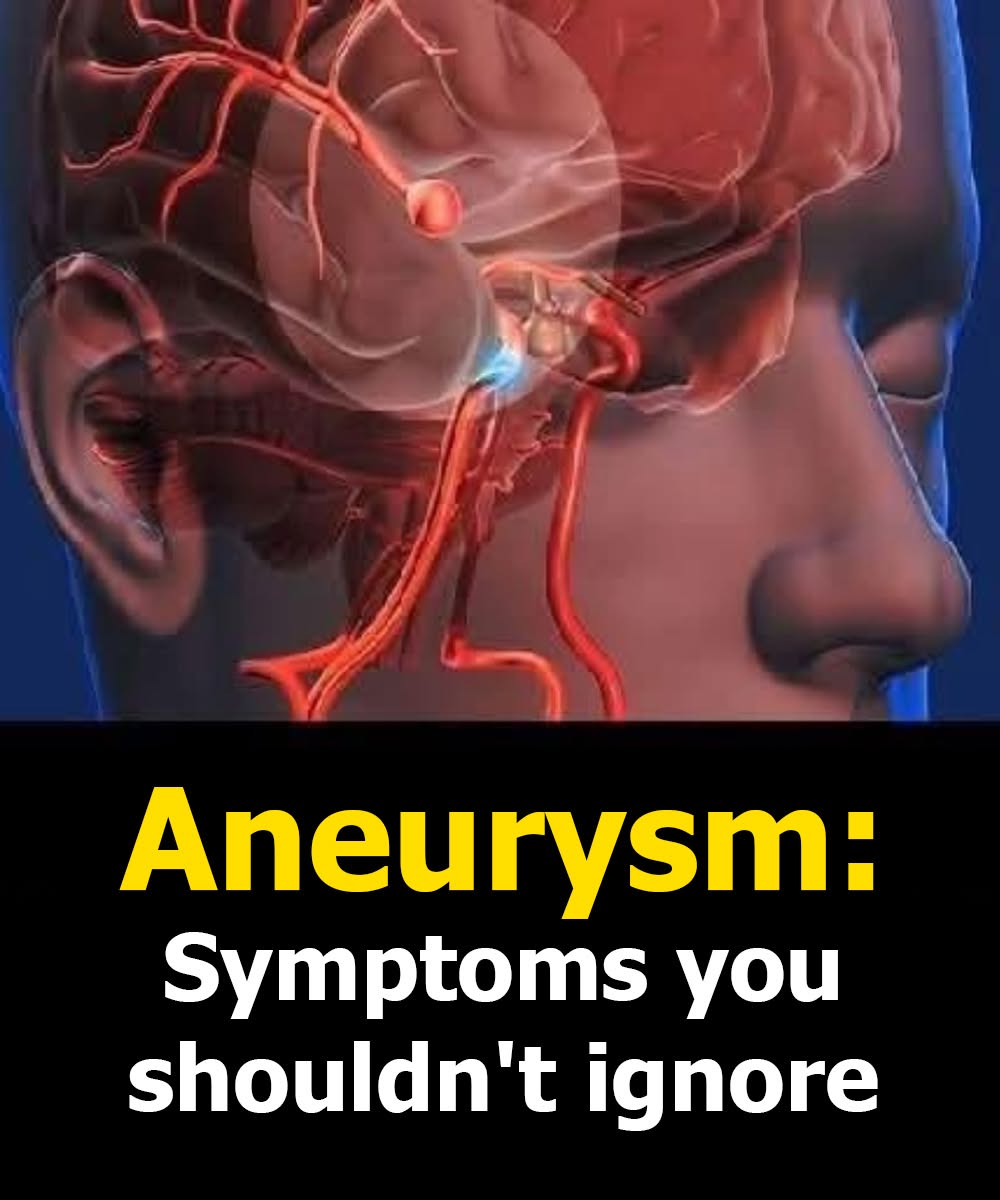
Contributing factors may include:
- Undiagnosed high blood pressure
- Inflammation
- Genetic predisposition
- Chronic stress
- Smoking history
This is why awareness and regular medical care matter, especially for people with family history or cardiovascular risk factors.
Do All Aneurysms Rupture?
Fortunately, no.
Many aneurysms remain stable for years and never rupture.
Doctors evaluate risk based on:
- Size
- Location
- Growth rate
- Wall integrity
- Family history
Depending on risk level, physicians may recommend:
- Regular imaging scans
- Blood pressure control
- Lifestyle changes
- Surgical clipping
- Endovascular coiling
Treatment decisions are always individualized.
Why Awareness Matters
One of the biggest dangers of aneurysms is their silence.
Many people feel completely normal until symptoms suddenly appear.
Understanding the warning signs may help people:
- Seek medical attention sooner
- Recognize dangerous symptoms
- Identify personal risk factors
- Protect long-term vascular health
Emergency Symptoms You Should Never Ignore
Seek emergency medical care immediately if someone experiences:
- Sudden severe headache
- Loss of consciousness
- Seizures
- Sudden confusion
- Neck stiffness
- Sudden vision problems
- Severe vomiting with headache
These symptoms can indicate rupture and require urgent treatment.
Final Thoughts
Aneurysms are widely misunderstood because they often develop silently.
The good news is that increased awareness, healthy lifestyle habits, and proper medical follow-up can help reduce risks and improve early detection.
Understanding the difference between myths and medical reality may one day save a life.
