
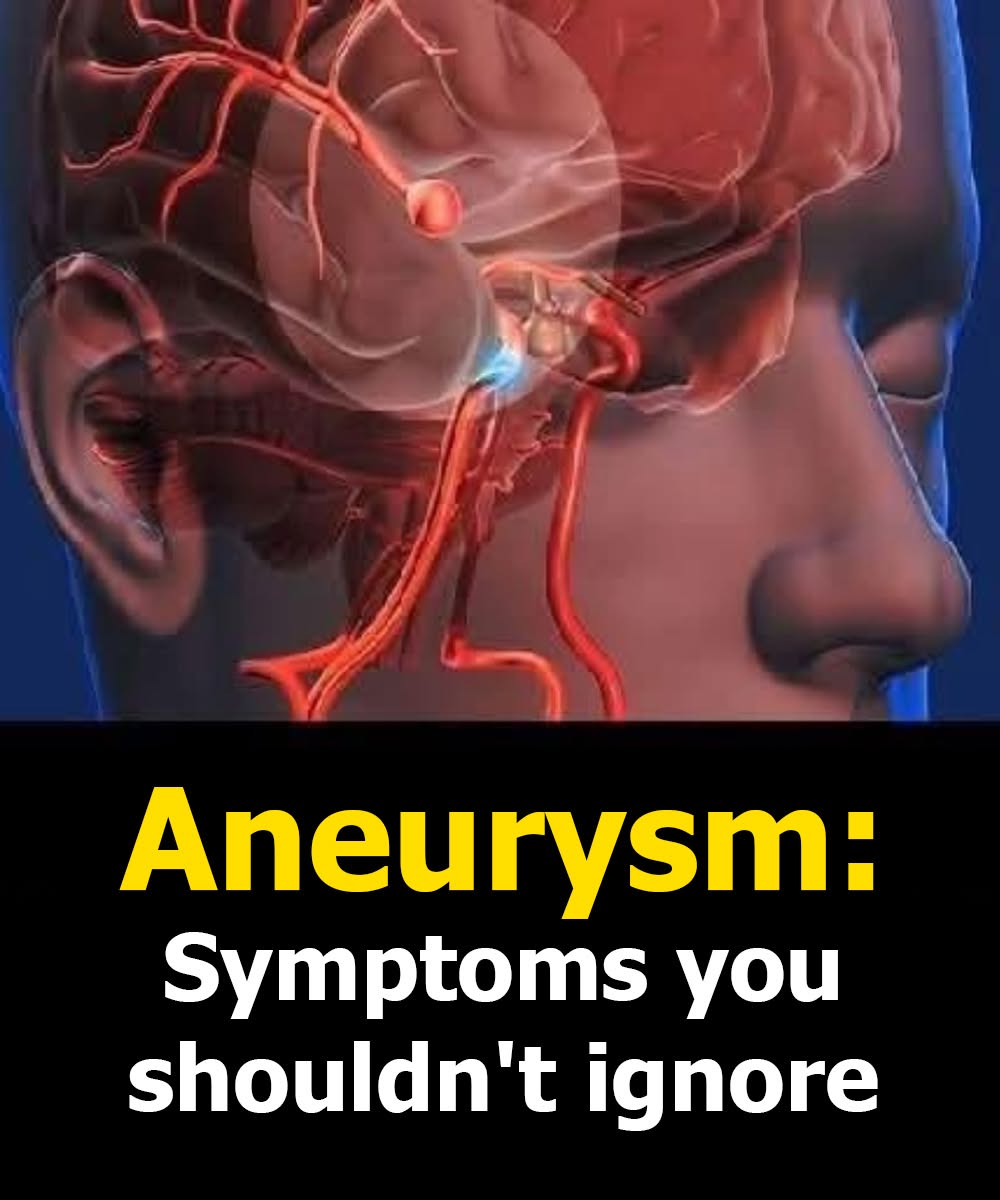
What Happens Inside the Blood Vessel?
Scientists now understand that aneurysm formation involves several biological changes:
- Loss of collagen and elastin
- Chronic inflammation
- Weakening of vessel wall structure
- Abnormal blood flow patterns
Over time, these changes reduce the artery’s ability to handle pressure safely.
This is why monitoring aneurysms carefully is so important, even if symptoms are absent.
Myth 3: “A Headache Is Just a Headache”
Not every headache is dangerous, of course.
But a sudden, severe headache can sometimes signal a ruptured brain aneurysm.
Patients frequently describe it as:
“The worst headache of my life.”
This intense pain occurs because blood suddenly irritates the meninges — the protective layers surrounding the brain.
Unlike ordinary headaches, this type may appear:
- Suddenly
- Violently
- Without warning
Additional symptoms may include:
- Nausea
- Vomiting
- Neck stiffness
- Sensitivity to light
- Confusion
- Loss of consciousness
This situation requires immediate emergency medical care.
Possible Early Signs of an Unruptured Aneurysm
Sometimes the body sends warning signals before rupture occurs.
These symptoms happen when the aneurysm presses against nearby nerves or structures.
Possible warning signs include:
- Pain above or behind one eye
- Blurred vision
- Double vision
- Dilated pupil
- Drooping eyelid
- Numbness on one side of the face
- Weakness in facial muscles
These symptoms do not automatically mean an aneurysm is present, but they should never be ignored.
Myth 4: “Healthy People Don’t Need to Worry”
A person can appear healthy on the outside and still have an aneurysm developing silently.
This is partly because aneurysms often involve microscopic changes inside artery walls long before visible symptoms appear.
