
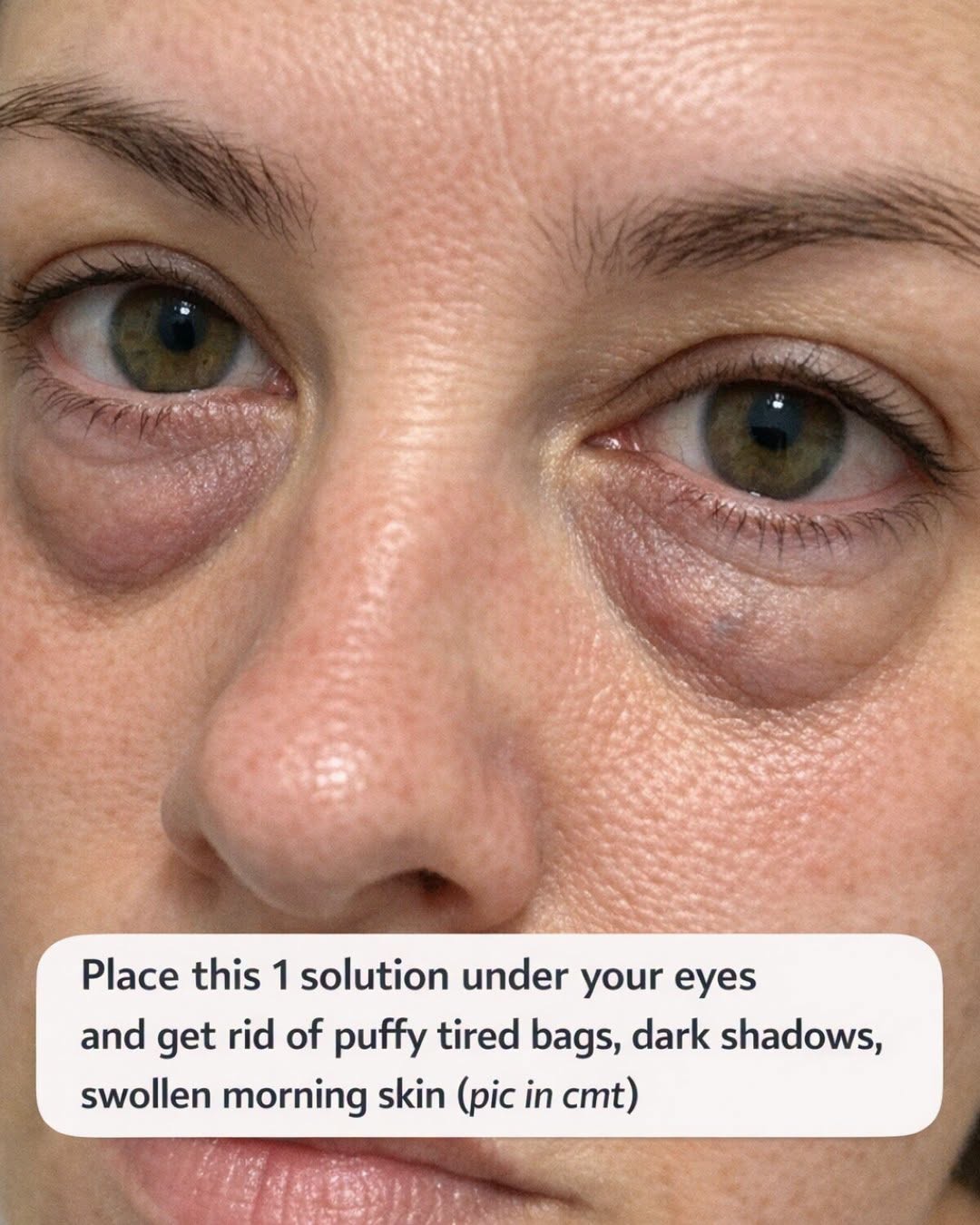
After the cold compress, pat on a bland moisturizer or eye cream with your ring finger. Use a pea-sized amount for both eyes combined. I like to tap from the inner corner outward along the orbital bone rather than rubbing directly across the thinnest skin.
6. What a cold compress can and cannot fix
A cold compress works best for temporary puffiness and mild swelling. It can help morning bags look flatter within minutes, especially if fluid retention is the main cause. It may also soften the appearance of dark shadows that are partly created by swelling and uneven light reflection.
What it cannot do is permanently erase hereditary dark circles, deep tear troughs, significant skin laxity, or hollowness caused by aging. In those cases, cold may improve the look temporarily, but it will not change the underlying structure. I think this matters because realistic expectations save both money and frustration.
7. If dark shadows are the main issue, identify the type
Not all dark circles are the same. Brownish discoloration can be due to pigmentation. Blue-purple tones may come from visible blood vessels under thin skin. Shadowy darkness can simply be anatomy: hollows under the eye catching overhead light.
Here is a quick at-home clue. Stand in front of a mirror near a window and tilt your chin up slightly. If the darkness improves a lot when the light changes, shadows are likely a big factor. If the darkness stays the same regardless of angle, pigmentation or vascular visibility may be contributing more. Cold compresses help most with swelling-related shadowing, not every category equally.
8. Pair the compress with two habits that make a real difference
First, elevate your head slightly while sleeping. An extra pillow or a wedge that raises your head by 2 to 4 inches can reduce overnight fluid pooling. Second, watch sodium at dinner. Many adults easily consume 1,500 to 2,300 milligrams of sodium in a single restaurant meal, and the face often shows it the next morning.
Hydration helps too, though it is not an instant cosmetic trick. Aim for steady fluid intake during the day rather than chugging water at bedtime. In my experience, a balanced dinner, decent sleep, and a cool compress in the morning do more than most trendy under-eye patches ever have.
9. Common triggers that make puffiness worse
Allergies are a major one. Pollen, dust, and pet dander can lead to rubbing, inflammation, and fluid retention around the eyes. Alcohol is another frequent culprit because it can disrupt sleep and contribute to dehydration and facial puffiness. Crying, sinus congestion, and contact lens irritation can do the same.
Cosmetics and skincare products also matter. Fragrance-heavy creams, strong acids, retinoids placed too close to the lash line, and harsh makeup removers can all irritate the eye area. If your under-eyes sting, burn, flake, or water, irritation may be part of what you are seeing in the mirror.
10. A simple 7-minute morning routine
Here is a practical routine I recommend. Minute 1: rinse your face with cool water. Minutes 2 through 6: apply a cold compress while sitting upright or slightly reclined. Minute 7: pat on a gentle moisturizer or eye cream, then use sunscreen around the orbital area if you will be outdoors.
If you want a little extra de-puffing, lightly tap from the inner corner outward for 20 to 30 seconds per side after the compress. Keep the motion gentle and do not drag the skin. This small routine is realistic enough to stick with, which is why it works better than complicated 12-step promises.
