
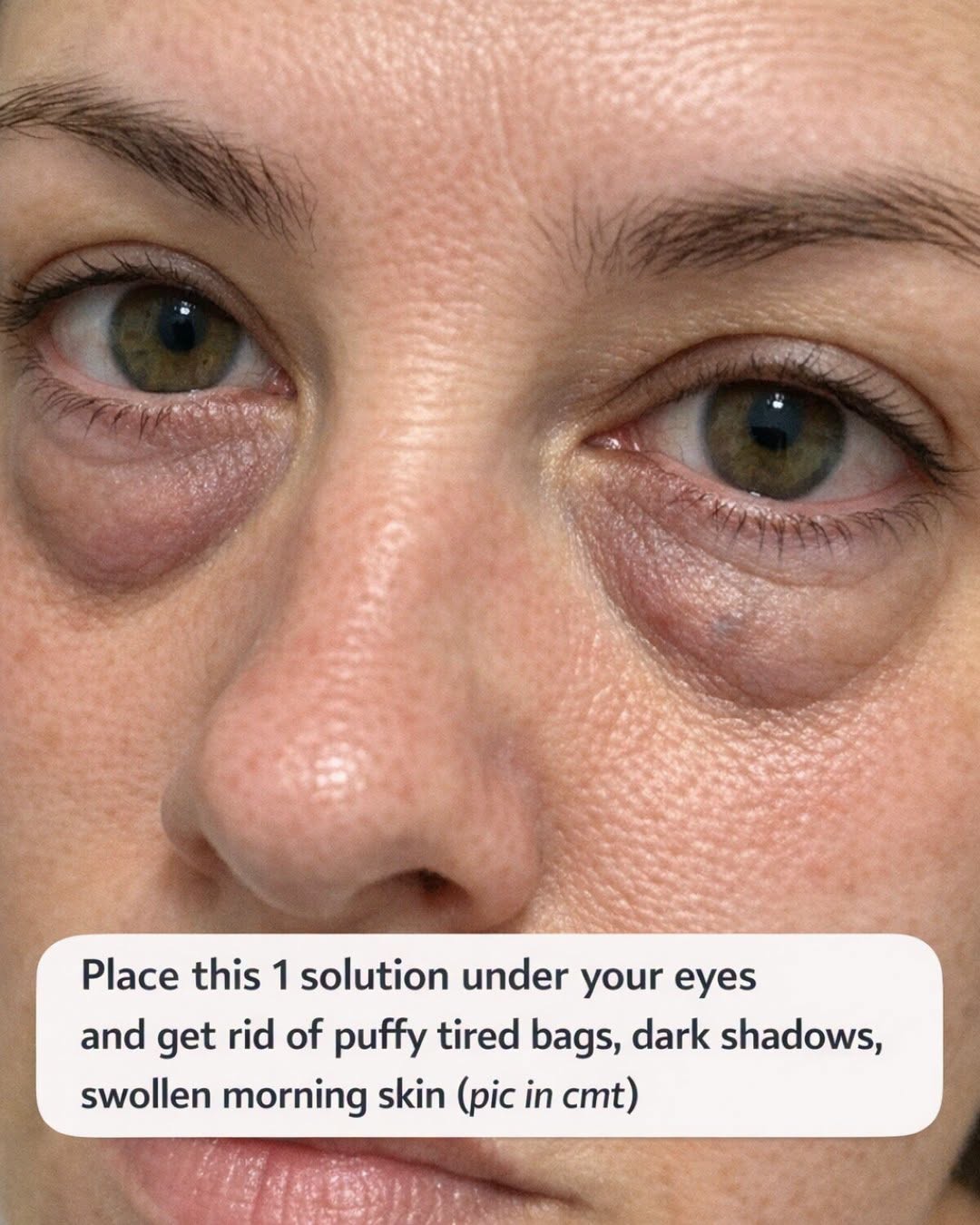
If you have ever looked in the mirror at 6:30 in the morning and thought, well, I look more tired than I feel, you are not alone. Under-eye puffiness, dark shadows, and that swollen just-woke-up look can come from several very ordinary causes: fluid retention, allergies, poor sleep, salt-heavy dinners, dehydration, rubbing the eyes, or simply the way our facial anatomy catches light. The good news is that one simple solution really can help quickly: a cold compress. It is inexpensive, low-risk for most people, and far more reliable than many flashy internet “miracle” fixes.
As a home cook, I spend plenty of time around ingredients that people love to turn into beauty hacks, but when it comes to the delicate eye area, I prefer practical methods that are clean, gentle, and supported by common sense. In this article, I’ll walk you through exactly how to use a cold compress under the eyes, why it works, what kind of results to expect, and what else may be contributing if your puffiness and dark circles keep returning.
1. The one solution: a cold compress
The simplest “1 solution” for puffy under-eyes is a cold compress applied for 5 to 10 minutes. Cold causes blood vessels to constrict temporarily, which can reduce swelling and make the under-eye area look less puffy and less inflamed. It can also help the skin feel firmer and calmer first thing in the morning.
You do not need anything fancy. A clean washcloth soaked in cold water, a chilled gel eye mask, or even two metal spoons cooled in the refrigerator for 10 to 15 minutes can work. The key is cool, not painfully icy. The skin under the eyes is thin, and extreme cold can irritate it.
2. Why under-eyes get puffy overnight
When we lie flat for 6 to 8 hours, fluid can collect around the eyes. That is one reason morning puffiness is so common. If you had a salty takeout dinner, a couple of drinks, or a shorter night of sleep, you may notice even more swelling by sunrise.
In my own kitchen, I can usually predict my face the morning after restaurant ramen or a late pizza night. Sodium pulls water into the tissues, and the under-eye area shows it quickly. Add seasonal allergies or a stuffy night of sleep, and those bags can look more pronounced than they really are.
3. How to make a proper cold compress at home
Take a soft, clean washcloth and run it under cold tap water for 20 to 30 seconds. Wring it out so it is damp but not dripping. Fold it into a rectangle about 3 by 6 inches so it sits neatly across both under-eye areas. Lie back or recline, place it gently over the eyes and upper cheeks, and leave it in place for 5 minutes. Refresh with cold water once if it warms too quickly.
If you prefer a reusable option, chill a gel eye mask in the refrigerator for at least 30 minutes. Do not freeze it solid unless the product instructions specifically say that is safe. For metal spoons, place two teaspoons in the refrigerator for 10 to 15 minutes, then rest the curved backs lightly under each eye for 30 to 60 seconds at a time.
4. The best temperature and timing
Aim for cool temperatures in the refrigerator range, roughly 35 to 45 degrees Fahrenheit. Anything much colder can feel harsh on delicate skin. For most people, 5 to 10 minutes is enough to reduce visible puffiness. More is not always better.
If your eyes are sensitive, start with 2 to 3 minutes. If you wake up especially swollen after travel, allergies, or a poor night of sleep, you can repeat once later in the morning after a 10-minute break. I would not press cold tools into the skin for long stretches; gentle contact works better than force.
5. How to use the compress without irritating the eye area
Always begin with clean hands and a clean cloth. If you wear eye makeup, remove it first with a gentle, fragrance-free cleanser. Then apply the compress with almost no pressure. Pressing hard can worsen irritation and make fragile capillaries more noticeable.
