
Stir the custard constantly. There is no moment during the cooking of the custard when you can safely stop stirring. The cornstarch thickens abruptly once it reaches the right temperature, and any lapse in stirring creates lumps that are very difficult to smooth out afterward.
Don’t rush the cooling. Both the custard and the baked tart need adequate time to cool and set. Rushing either step compromises the texture and the ability to serve clean, beautiful slices.
Toast the pine nuts. Scatter them in a dry skillet over medium heat and stir for 2 to 3 minutes until fragrant and lightly golden before pressing them onto the tart. Toasting intensifies their nutty flavor and gives the finished tart a noticeably more complex topping.
Rest overnight if possible. The tart slices more cleanly, the flavors are more developed, and the texture is at its absolute best after a night in the refrigerator. If you can plan ahead to bake it the day before serving, do so.
Make ahead with ease. Both the pastry dough and the custard can be prepared separately up to 24 hours before assembly, making this a very manageable dessert for entertaining.
How to Serve
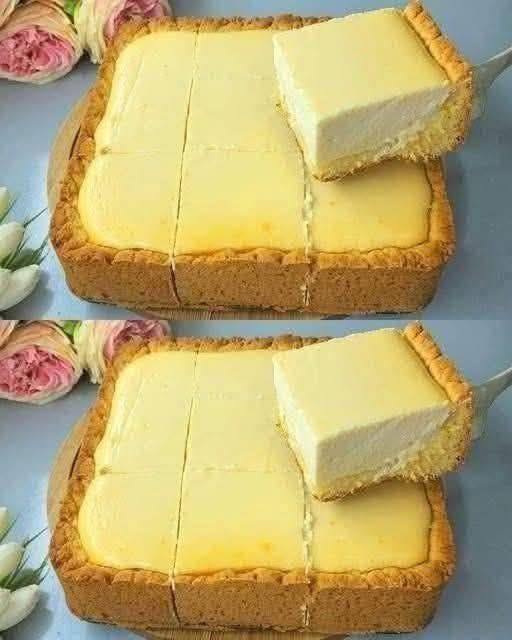
Torta della Nonna is traditionally served at room temperature or slightly chilled. Use a sharp knife, wiping the blade clean between each cut, to produce neat, clean slices that show off both the pastry layers and the custard filling inside. Finish with a generous dusting of powdered sugar just before bringing it to the table.
For a genuinely Italian experience, serve it alongside a small cup of strong espresso or a frothy cappuccino — the slight bitterness of the coffee is a perfect counterpoint to the sweetness of the custard and pastry. For a celebratory occasion, a small glass of Vin Santo or Moscato pairs beautifully. Fresh berries or a light berry compote on the side add color, freshness, and a pleasant tartness that cuts through the richness of the cream.
Serving Suggestions and Variations
This tart is versatile enough to adapt to different occasions and preferences without losing its essential character. For a casual afternoon treat, serve it chilled with a pot of coffee and keep the presentation simple. For a more elegant dinner party finish, garnish the serving plate with a few thin slices of lemon and a small sprig of fresh mint for color and contrast.
If pine nuts are unavailable or not to your taste, sliced blanched almonds make an excellent substitute — they’re more readily available, equally traditional in Italian baking, and provide a clean, lighter crunch. A light drizzle of good honey over the finished tart adds an additional layer of floral sweetness that complements the vanilla beautifully. For those who enjoy chocolate, a thin drizzle of melted dark chocolate across the top just before serving creates a modern, indulgent variation that still honors the spirit of the original.
Time Breakdown
Prep time: 25 minutes
Pastry chill time: 30 minutes
Custard cooking time: 10 minutes
Baking time: 35 to 40 minutes
Cooling time: 1 to 2 hours (or overnight, ideally)
Total active time: Approximately 35 minutes
Total time including resting: 2½ to 3 hours minimum
The extended timeline is almost entirely passive — the dough chills, the custard cools, and the baked tart sets without requiring your attention. The active hands-on work is surprisingly brief for a dessert of this quality.
The Legacy Behind the Recipe
There’s a particular resonance in baking something that has been made by Italian grandmothers for generations — not because it’s complicated or showy, but because it isn’t. Torta della Nonna represents a philosophy of cooking that believes the best food comes not from technique alone, but from care: from using real ingredients with attention, from allowing time to do what rushing cannot, and from feeding people with something made by hand rather than assembled in haste.
Its charm lies precisely in its modesty. In an era of elaborate patisserie and towering confections, this tart’s beauty comes from restraint — a golden pastry shell, a pale custard interior, a scatter of pine nuts, a veil of powdered sugar. Nothing is superfluous. Everything contributes. And the result is a dessert that feels less like a performance and more like an embrace.
When you bake this tart, you’re not just following a recipe. You’re participating in something continuous — a tradition of nourishment and generosity that stretches back far further than any of us and will, with any luck, continue long after.
Final Thoughts
Torta della Nonna is the kind of dessert that stays with you. Not because it dazzles or surprises, but because it satisfies so completely and so honestly. The crisp pastry, the cool, silky custard, the faint fragrance of lemon and vanilla, the gentle crunch of the pine nuts, the whisper of powdered sugar — together they create something that is quietly, unmistakably perfect.
Dust your countertop, work the butter into the flour, temper the custard with patience, and let the oven do the rest. Bring a little corner of Tuscany into your kitchen, and let your home fill with the scent of something genuinely worth making.
