

Some kitchen secrets sound reasonable the moment you hear them. A little cinnamon here, a splash of milk there. Then there is the ingredient in this old-fashioned coffee method, which tends to make people stop mid-sentence.
It is an egg. Yes, an actual egg goes into the coffee grounds before brewing. Not as a breakfast side dish and not as a creamy topping. It plays a part in preparing the drink itself.
This is Scandinavian egg coffee, sometimes called Swedish coffee, Norwegian coffee, or church coffee. The surprising idea is worth understanding before you decide whether to try it. And no, you do not have to put eggshell in your next mug.
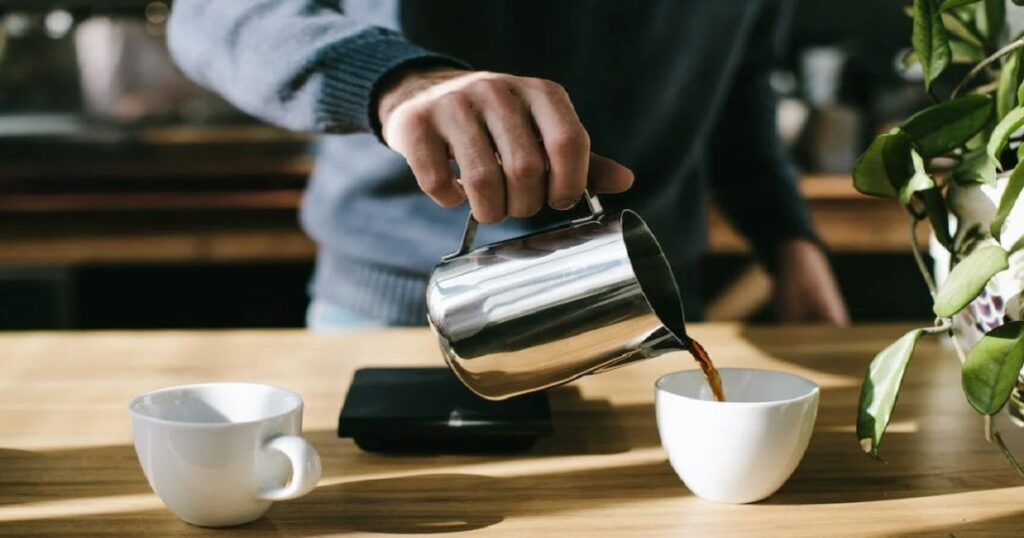
The Secret Ingredient in Scandinavian Egg Coffee
The Homemaking story connects this method with family memories and community gatherings. Its writer describes a cup that tastes smoother and less bitter than their usual brew. That is their experience, not a promise that every coffee drinker will agree.
Unlike a drink made by stirring raw egg into finished coffee, this method cooks a mixture of grounds and egg in a pot of hot water. The cooked mixture is then separated from the liquid before serving.
That difference is the whole point. You are not aiming for a floating breakfast scramble. You want brewed coffee in the cup, with the spent grounds and cooked egg left behind.
What the Egg Is Doing
When heated, egg proteins set. In this brewing method, that cooked egg helps bring the grounds together into clumps that can be removed. Think of the egg as a helper in separating material from the drink, rather than a flavoring.
The source calls the effect clarifying. That word sounds grand, but the practical picture is simple: a pot with a mass of egg and grounds, followed by a straining step that keeps that material out of your cup.
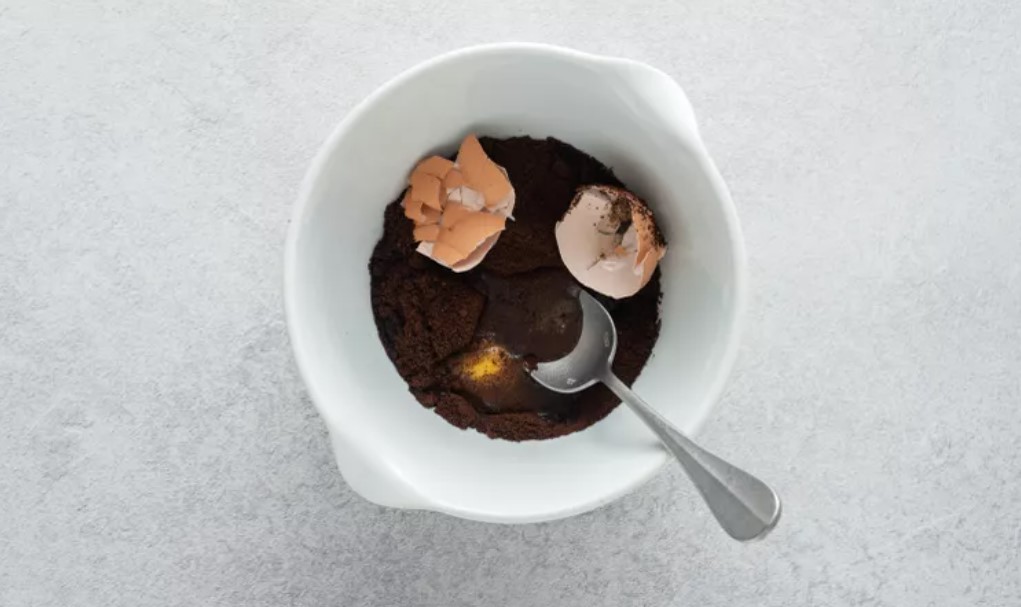
The original recipe includes the shell and describes it as helping reduce acidity. We are not treating that as a measured result or a reason to add shell. Our suggested approach leaves the shell out and focuses on the egg-and-grounds technique.
Most importantly, a cup that tastes less harsh is not automatically a treatment for reflux or any other condition. Taste, caffeine, and how your stomach responds are separate questions. Enjoy the tradition as a food experiment, not a health fix.
