

The source uses a modest amount of coffee, which makes this an approachable experiment rather than a giant breakfast commitment. Here is its basic ingredient framework, adapted to omit the shell:
- 3 tablespoons ground coffee
- 1 egg, without the shell; a pasteurized egg is an extra precaution
- 3 tablespoons water for mixing
- 3 cups water for the pot
- 1 cup cold drinking water added after cooking
You will also want a saucepan with room for foaming, a mixing bowl, a spoon, a heatproof serving jug, and a fine strainer. A food thermometer helps you check the egg mixture instead of relying only on a timer.
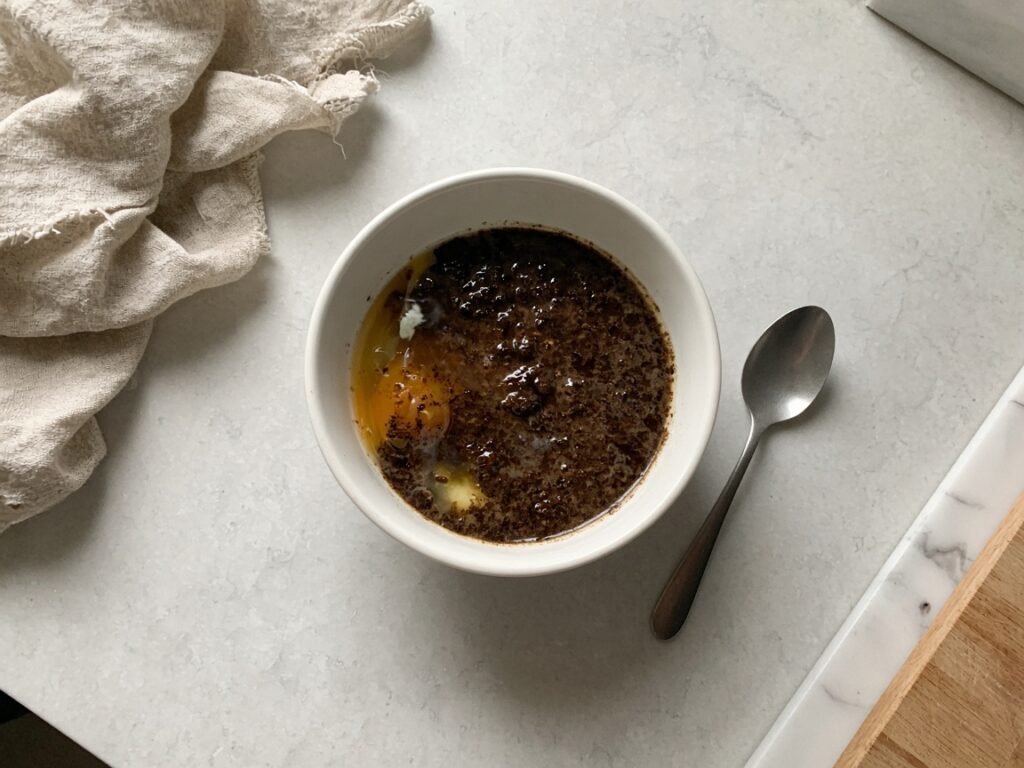
Use the coffee you already like. This is a different brewing method, not a request to replace every bean in your cupboard. Keeping the coffee familiar also makes it easier to decide what you think of the result.
Mix, Heat, and Watch the Pot
Start by combining the grounds, egg, and three tablespoons of water. Stir them into a loose paste. It will not look especially elegant, and that is fine. This is the preparation stage, not the photo for a breakfast menu.
Bring the three cups of water to a boil in the saucepan. Carefully add the mixture and watch it closely because it can foam. Use a pot with enough headroom, keep the handle turned away from the edge, and avoid leaning over the steam.
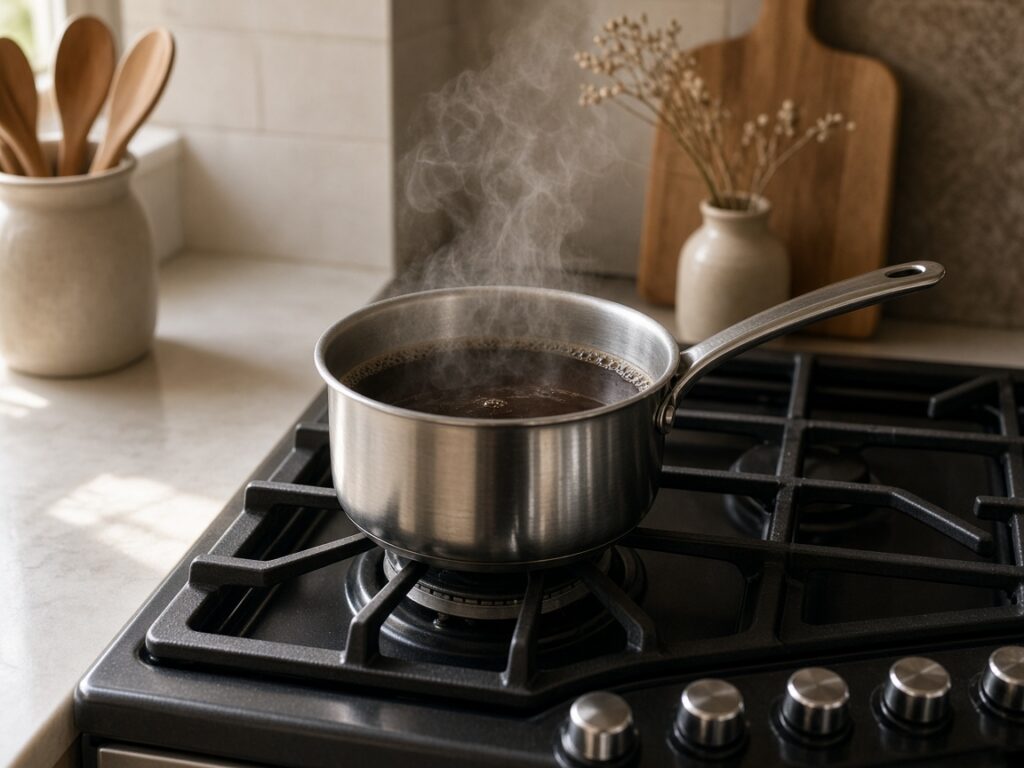
The source’s method boils the mixture for about three minutes. Treat that as its recipe timing, not a universal safety guarantee for every pot and stove. Make sure the egg-containing mixture is thoroughly heated before continuing.
A Quick Egg-Safety Check
The FDA’s egg-safety guidance warns that even clean, uncracked eggs can contain Salmonella. It recommends cooking egg dishes to 160°F and using a thermometer to check. Clean-looking shells are not a guarantee of safety.
For this experiment, check that the egg-and-grounds mixture reaches at least that temperature before removing it from the heat. Do not taste the raw paste. Wash your hands and clean the bowl, spoon, and counter after handling the uncooked egg.
If serving anyone with an egg allergy, do not offer this drink. Straining does not make an egg-containing recipe egg-free. Tell guests what is in it before they drink, even if revealing the unusual ingredient afterward sounds like a fun surprise.
