
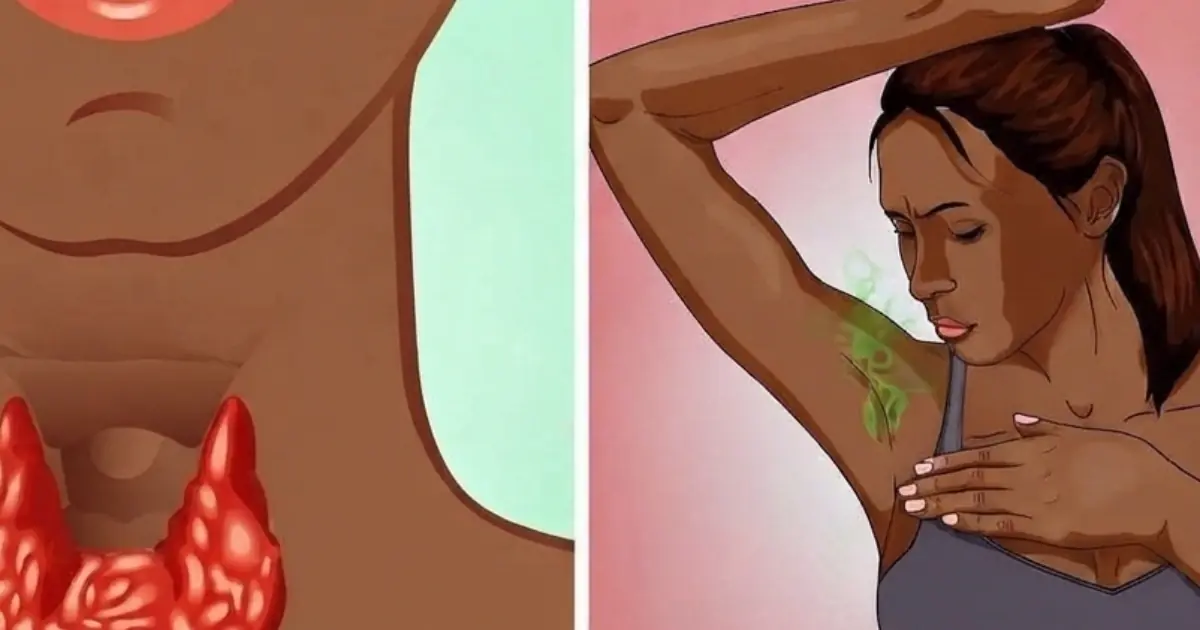
Hyperthyroidism
The thyroid produces too much thyroid hormone.
Possible symptoms include:
- Weight loss
- Heat intolerance
- Excessive sweating
- Rapid heartbeat
- Anxiety
- Trembling
- Increased bowel movements
- Difficulty sleeping
- Muscle weakness
- Increased appetite
Not everyone experiences the same symptoms, and some people have relatively few noticeable symptoms.
What Causes Thyroid Problems?
There are several possible causes.
One of the most common causes of hypothyroidism is Hashimoto’s thyroiditis, an autoimmune condition in which the immune system attacks thyroid tissue.
Chapter 8
Theme:AAA
Font Size:A-
24pxA+Hyperthyroidism can be caused by Graves’ disease, another autoimmune condition.Other potential causes include:
- Thyroid nodules
- Certain medications
- Thyroid inflammation
- Previous thyroid surgery
- Radiation treatment
- Excessive or insufficient iodine in specific circumstances
- Certain pituitary disorders
The cause matters because treatment depends on the underlying problem.
Don’t Assume Every Thyroid Symptom Means You Need Supplements
Thyroid health is frequently discussed online alongside iodine, selenium, herbal supplements, and various “thyroid support” products.
This can be misleading.
Taking large amounts of nutrients or supplements without knowing whether you are deficient can sometimes create additional problems.
In particular, excessive iodine can interfere with thyroid function in susceptible individuals.
If you suspect a thyroid problem, testing and professional evaluation are generally more useful than experimenting with high-dose supplements.
When Should You Talk to a Healthcare Professional?
Consider discussing your symptoms with a healthcare professional if you notice a persistent combination of changes such as:
- Unexplained weight gain or loss
- Persistent fatigue
- New temperature sensitivity
- Significant changes in heart rate
- Unexplained hair loss
- Persistent constipation or diarrhea
- Major mood or concentration changes
- New muscle weakness
- Menstrual changes
- Swelling or enlargement in the neck
A single symptom rarely provides enough information.
A pattern of symptoms that persists or progresses is more meaningful.

Don’t Ignore a New Lump in Your Neck
Thyroid problems can sometimes cause enlargement of the thyroid gland or thyroid nodules.
A new lump, swelling, or noticeable enlargement in the front of the neck should be evaluated.
Chapter 9
Theme:AAA
Font Size:A-
24pxA+Most thyroid nodules are not cancerous, but some require further testing.Seek medical advice particularly if a neck lump is:
- New
- Growing
- Firm
- Associated with difficulty swallowing
- Associated with difficulty breathing
- Accompanied by persistent hoarseness
A healthcare professional can determine whether examination, blood testing, ultrasound, or another evaluation is appropriate.
The Good News: Many Thyroid Conditions Are Treatable
If you discover that your thyroid isn’t functioning normally, it doesn’t necessarily mean that your health is permanently declining.
Many thyroid conditions can be effectively managed.
For hypothyroidism, thyroid hormone replacement is commonly used to restore hormone levels.
Hyperthyroidism has several possible treatment approaches depending on the cause, including medication, radioactive iodine treatment, or surgery in selected situations.
The appropriate treatment depends on the specific diagnosis.
The important step is identifying the problem rather than attempting to treat symptoms blindly.
Common Myths About Thyroid Health
Myth 1: Weight gain automatically means your thyroid is underactive.
Reality: Weight can change for many reasons. Hypothyroidism is only one possible cause.
Myth 2: Feeling tired means you have a thyroid problem.
Reality: Fatigue is extremely common and has numerous possible explanations.
Myth 3: A thyroid problem can always be diagnosed by symptoms.
Reality: Symptoms overlap with many other conditions. Blood testing is often necessary.
Chapter 10
Myth 4: Everyone with a thyroid problem needs to avoid certain foods.
Reality: Dietary recommendations depend on the specific thyroid condition and individual circumstances.
Myth 5: Thyroid supplements can fix thyroid problems naturally.
Reality: Supplements are not a universal substitute for appropriate diagnosis and treatment.
Your Body May Be Signaling a Problem—but Symptoms Aren’t a Diagnosis
The thyroid affects many systems simultaneously, which explains why thyroid disorders can produce such a wide variety of symptoms.
But that same complexity makes self-diagnosis difficult.
Feeling tired, gaining weight, losing hair, feeling anxious, or having trouble sleeping doesn’t automatically mean your thyroid is malfunctioning.
What matters is the pattern, duration, severity, and combination of symptoms.
If several changes have appeared at the same time and don’t have an obvious explanation, a conversation with a healthcare professional may be worthwhile.
A simple blood test can often provide much more useful information than trying to identify the cause based on symptoms alone.
Final Takeaway
Your thyroid may be small, but its hormones influence many important functions throughout your body.
Unexplained weight changes, persistent fatigue, unusual sensitivity to cold or heat, changes in heart rate, hair or skin changes, bowel problems, mood or concentration changes, sleep disturbances, muscle weakness, and menstrual changes can all be associated with thyroid dysfunction.
But these symptoms are not specific to thyroid disease, and having one or even several does not automatically mean that your thyroid is the cause.
If symptoms are persistent, worsening, or occurring in combination, consider getting evaluated rather than simply treating them as a normal part of getting older or everyday stress.
The good news is that many thyroid conditions are identifiable through appropriate testing and can be effectively managed once the underlying problem is understood.
Pay attention to persistent changes in your body— but let proper testing, rather than symptoms alone, determine what’s really going on.
