
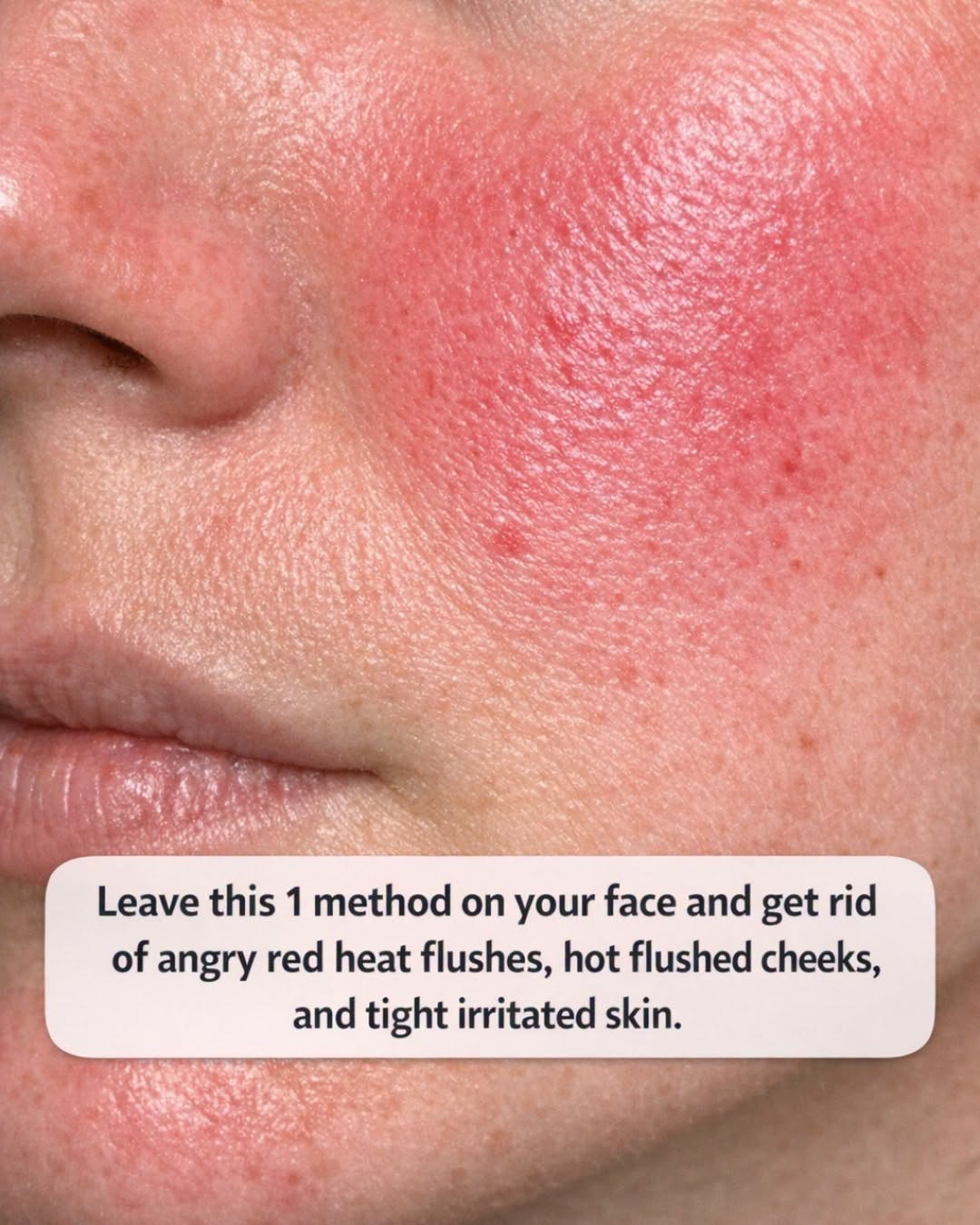
It may also help after exercise if your skin stays hot longer than usual, as long as you cool your body down first, wash away sweat gently, and don’t apply the mask over broken skin. I find it’s most effective when I use it within the first hour after the redness starts.
It is not a cure for chronic inflammatory skin conditions, and it won’t solve repeated flushing if the true trigger is rosacea, allergies, medication reactions, hormone shifts, or ongoing sun damage. It’s supportive care, not a magic fix.
10. Signs you should stop and get medical advice
If your skin burns intensely, swells, develops hives, blisters, or oozing, stop immediately and rinse with cool water. If redness is severe, painful, or spreading, or if you have trouble breathing, dizziness, or swelling around the eyes or lips, get urgent medical care right away.
It’s also worth calling a doctor or dermatologist if facial flushing happens often, lasts for hours, comes with visible broken blood vessels, or is triggered by small amounts of heat, spicy food, stress, or skin products. Those can be clues to rosacea or another condition that needs a proper treatment plan.
If you have a known oat allergy, don’t use the oatmeal version. And if you’re trying any new ingredient, patch-test first on a small area near the jawline or behind the ear for 24 hours before using it on your cheeks.
11. How to prevent those angry heat flushes next time
Prevention has saved me more grief than any after-the-fact remedy. I keep showers lukewarm instead of hot, especially on days when my face already feels touchy. I try to wash my face for no more than 30 to 45 seconds with a gentle cleanser, then moisturize right away.
Outside, a wide-brimmed hat and shade breaks make a real difference. If I know I’ll be out in heat for more than 15 to 20 minutes, I bring water and try to step indoors or into shade every half hour when I can. Inside the house, a fan in the kitchen during summer helps more than you’d think.
I also pay attention to trigger stacking. For example, if I’ve been in the sun, I do not come home and use a peel pad, take a hot shower, and eat a bowl of extra-spicy chili all in the same evening. Sometimes it’s not one big trigger but 3 little ones in a row.
12. A simple routine for the rest of the day
Once you’ve done the cooling mask and moisturized, keep the rest of your routine plain. Morning or afternoon: gentle rinse, soothing mask for 10 to 20 minutes, moisturizer, SPF 30+ if you’ll have daylight exposure. Evening: gentle cleanse if needed, moisturizer again, and nothing active.
Drink water normally, keep your room comfortably cool, and resist the urge to keep checking the mirror every 10 minutes. Redness often settles gradually over 30 to 90 minutes. I know that’s easier said than done, but fussing with your skin over and over rarely helps.
If your cheeks still feel tight at bedtime, you can apply a second thin layer of moisturizer or a pea-sized amount of petrolatum over the driest spots. Think comfort and barrier support, not “fix everything tonight.”
13. My honest bottom line
If your face is red, hot, and irritated from heat or mild sensitivity, a chilled aloe-and-oat leave-on layer is one of the gentlest home methods I know. It’s affordable, quick to make, and usually uses ingredients that are easy to find for under $10 to $15 total, with enough for multiple uses.
What I appreciate most is that it doesn’t ask irritated skin to do too much. No scrubbing, no tingling, no dramatic claims—just a quiet little cooling pause. And in a busy house like mine, sometimes that’s exactly the kind of care that works best.
As always, if your redness is frequent, painful, or confusing, it’s wise to check with a medical professional. But for simple overheated cheeks and that awful tight feeling, this is the method I’d keep in the fridge and reach for first.
