

- B – Balance: Sudden dizziness, loss of coordination, or trouble walking.
- E – Eyes: Sudden double vision, blurred vision, or loss of sight in one or both eyes.
- F – Face Drooping: One side of the face droops or is numb. When smiling, the smile is uneven.
- A – Arm Weakness: One arm feels weak or numb. If both arms are raised, one drifts downward.
- S – Speech Difficulty: Slurred speech, trouble speaking, or difficulty understanding what others are saying.
- T – Time to call emergency services: If any of these signs are present, call emergency services (like 911) immediately.
Optimizing your evening routine for long-term safety
Maintaining your heart health is not a matter of completely transforming your lifestyle but rather about making conscious decisions that help your body’s rhythms stay regulated and balanced. To ensure the best results in terms of protecting your heart and brain, here are some small changes you can introduce into your evening routines:
Switch to water or herbal tea: Do not consume any beverages that contain sugar, caffeine, or alcohol for at least four to six hours before going to bed. If you need a soothing evening beverage, go for unsweetened chamomile, peppermint, or hibiscus tea.
Follow a stable sleep pattern: Try to get seven to eight hours of continuous sleep each night. Going to bed and waking up at the same time every day will help stabilize your autonomic nervous system and allow your blood pressure to naturally dip.
Create a restful environment: Keep your bedroom cool, dark, and free of electronic screens. Blue light from phones and televisions suppresses melatonin production, which further sabotages deep, restorative sleep.
Schedule regular checkups: Regular screenings can be helpful in discovering hidden illnesses such as hypertension, atrial fibrillation, or high cholesterol levels.
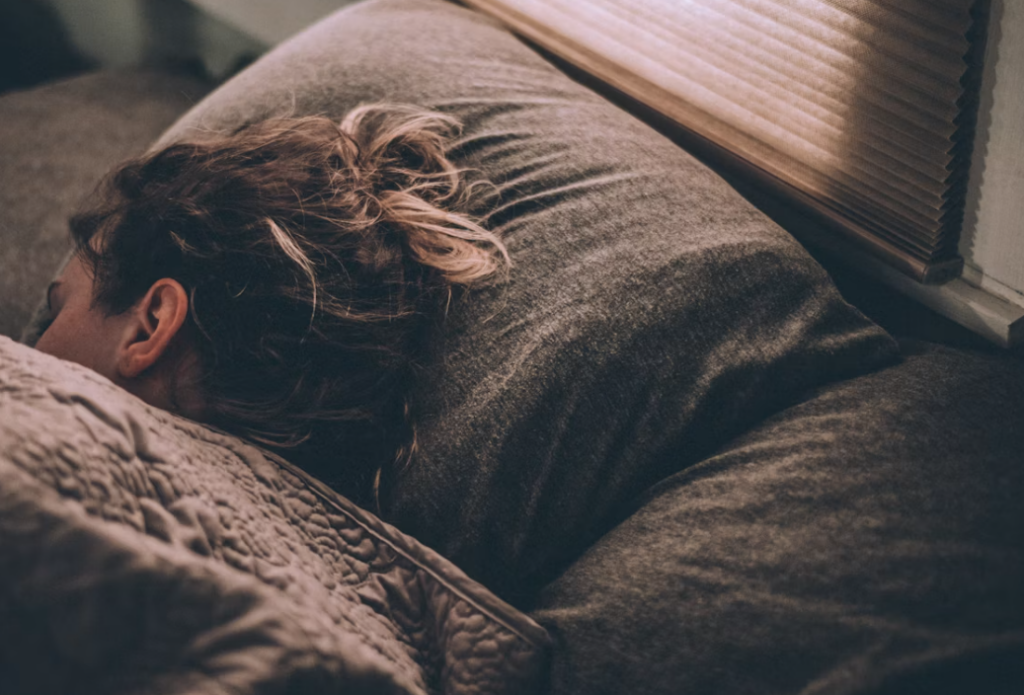
Indeed, the key to good cardiovascular health lies in regular activities rather than isolated instances. You can greatly lower your susceptibility to stroke by helping yourself develop healthy nightly habits, avoiding metabolic strain during late hours, and getting enough sleep.
*Disclaimer: This article is for informational purposes only and is not a substitute for professional medical advice, diagnosis, or treatment. Always consult a qualified healthcare provider regarding cardiovascular health or before making changes to your lifestyle. If you or someone else shows signs of a stroke, call emergency services immediately.
