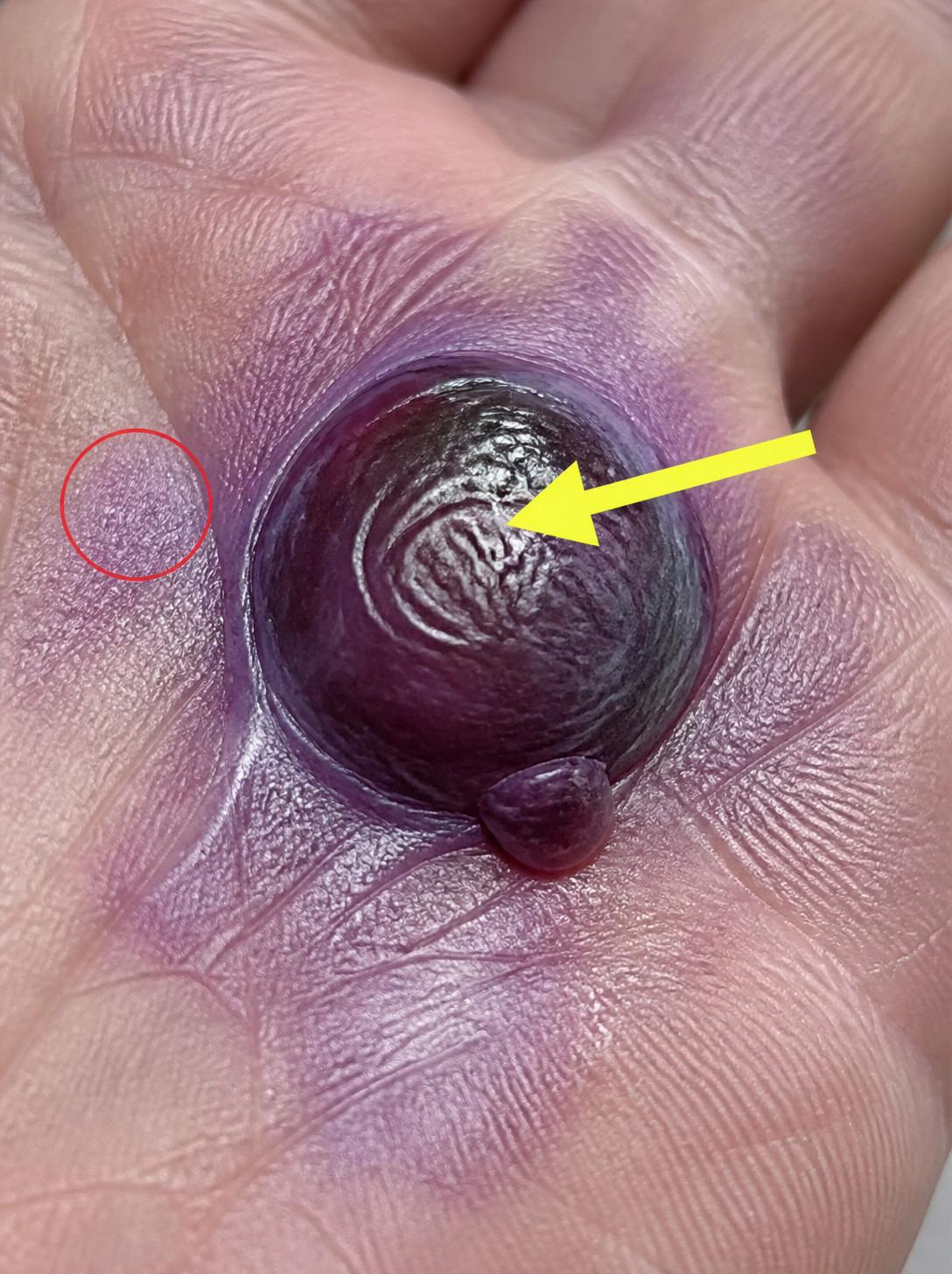
ATTENTION to These First Signs of Infection: Why Doctors Warn That Even a Small Cut or Insect Bite Needs Care

Advertisement

I was in my late forties, tending to my garden and pruning some roses, when a stray thorn left a small scratch on my finger. I barely gave it a second thought. I simply rinsed it under the tap, slapped on a bandage, and went about my day. A few days later, however, my finger was red, swollen, and throbbing with pain. I ended up at the doctor’s office, needing a prescription for antibiotics. That minor incident taught me a crucial lesson: even the smallest cut or insect bite can quickly escalate into a serious medical issue if left unattended.

Recognizing the Early Warning Signs

Our bodies are remarkably good at signaling when something is wrong, and the earliest indicators of an infection usually manifest locally around the wound. You might notice redness that begins to spread beyond the initial injury, accompanied by increasing swelling and a distinct sensation of warmth to the touch. These are classic signs of inflammation as your immune system attempts to fight off invading bacteria. Alongside this, you may experience pain that worsens rather than improves over time. If you see thick, cloudy, or discolored fluid, commonly known as pus, it is a definitive sign of an active infection. It is vital not to pop or squeeze these areas, as doing so can push bacteria deeper into the tissue and worsen the condition.

Advertisement

When to Seek Immediate Medical Attention

While localized inflammation is a normal part of the healing process, certain symptoms indicate that the infection is spreading and requires professional intervention. The most alarming of these is a red streak traveling away from the wound and up your limb, which suggests the infection is moving into your lymphatic system. Additionally, if you develop a fever, experience severe or escalating pain, or if the local symptoms persist and worsen despite your home care efforts, it is time to see a doctor. When in doubt, it is always safer to seek professional medical advice than to wait and risk severe complications.

Proper Wound Care and Prevention

Preventing an infection starts with proper, immediate first aid. The moment you get a cut, scrape, or bite, wash your hands thoroughly before touching the area. Clean the wound gently but effectively using mild soap and water. It is a common misconception that harsh chemicals help; avoid using rubbing alcohol or hydrogen peroxide, as these can actually irritate the skin, damage healthy tissue, and delay the healing process.

After cleaning, apply a thin layer of antibiotic ointment to create a protective barrier, and cover the wound with a clean bandage. Keeping the wound covered and changing the bandage daily is essential to keep new bacteria out. Resist the urge to scratch the area or pop any blisters that form, as this introduces new bacteria and disrupts the fragile healing tissue.

Furthermore, good hygiene extends beyond the wound itself. Avoid sharing personal items like towels or razors, which can easily transfer harmful bacteria from one person to another. Even a simple insect bite can become infected if it is scratched with unwashed hands, making vigilance just as important for bug bites as it is for cuts.

A Final Reflection

That tiny scratch on my finger was a humbling reminder of how quickly a minor injury can turn into a major problem. Taking a few extra minutes to properly clean, cover, and monitor even the smallest wounds is a simple habit that can save you from significant pain and medical complications down the line. Your body heals remarkably well when given the right conditions, so treat every scrape, scratch, and bite with the care and attention it truly deserves.

Advertisement

Leave a Reply

Your email address will not be published. Required fields are marked *