
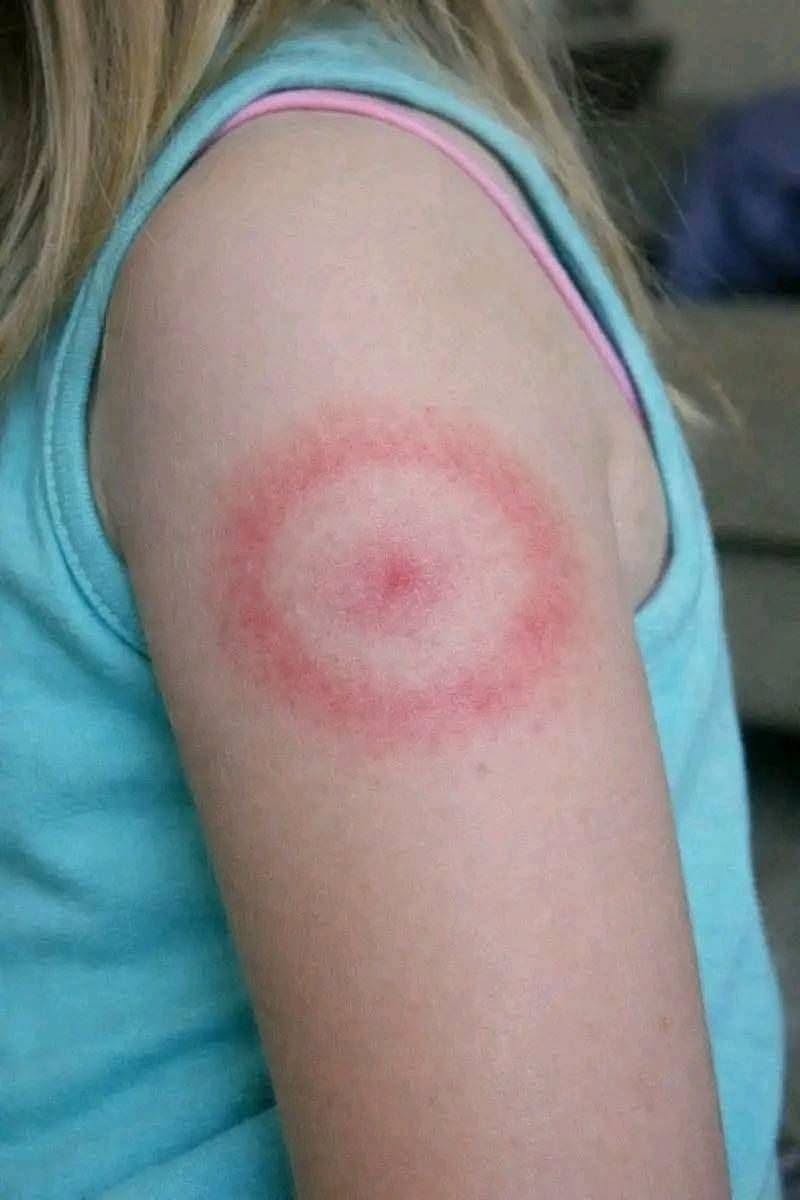
My Daughter Woke Up With a Strange Red Ring on Her Arm: A Parent’s Guide to Ring-Shaped Rashes (And When to Breathe Easy)
My daughter woke up with this strange red ring on her arm. It’s not itchy, but it looks like it’s spreading. I’m panicking—do I need to rush her to the ER?”
As a parent, noticing anything unusual on your child’s skin can immediately trigger a spike of adrenaline. Seeing a red ring or circular rash on your child’s arm may send your mind racing toward worst-case scenarios, leaving you staring at your phone, wondering whether you should grab the car keys and head straight to the emergency room.
Take a deep breath. You are not alone in this panic, and you are doing exactly what a good parent does: paying attention.
Fortunately, most ring-shaped rashes in children are not emergencies. While some conditions deserve prompt medical attention, many have simple explanations and respond beautifully to treatment. Understanding the possible causes can help you stay calm, observe the rash effectively, and make informed decisions about your child’s health.
Let’s walk through what that red ring might be, what to look for, and exactly when you need to seek help.
1. First, Take a Breath: How Worried Should You Be?
It is completely normal to feel anxious when something unexpected appears on your child’s skin. However, in the vast majority of cases, a red ring rash can safely be evaluated by your pediatrician during normal office hours. You do not need to rush to the ER unless specific “red flag” symptoms are present.
The first step is careful, calm observation.
The “Watch and Wait” Checklist:
Pay close attention to the following details over the next 24 hours:
Growth: Is the rash expanding, and how fast?
Appearance: Are there changes in color, or is the center clearing out?
Sensation: Does it become painful, warm to the touch, or intensely itchy?
Systemic Symptoms: Is your child developing a fever, fatigue, or body aches?
Spread: Are additional spots appearing elsewhere on the body?
Pro-Tip for Parents: Take a photo of the rash right now. Use a pen to lightly draw a circle around the border of the redness on your child’s skin. Take another photo in 12 hours. This “photo diary” is incredibly valuable for your pediatrician to see exactly how fast the rash is moving.
2. The “Bullseye”: Understanding Lyme Disease
One of the most well-known ring-shaped rashes is the Lyme disease rash, known medically as erythema migrans. The detail you mentioned—that the rash is spreading but not itchy—is a classic hallmark of this specific rash.
It usually begins as a small red area at the site of a tick bite and gradually expands over several days. As it grows outward, the center may clear up and appear lighter, creating the classic “bullseye” or target-like appearance.
Characteristics of a Lyme Disease Rash
Gradual Expansion
A Lyme disease rash often starts as a small red spot and slowly expands over several days, frequently growing larger than 2 inches (5 cm) in diameter.
Sensation
The rash is usually not painful and often isn’t very itchy, although some people may notice mild itching or discomfort.
Skin Temperature
The affected skin may feel slightly warm to the touch, but it typically isn’t intensely hot or swollen.
Recent Outdoor Exposure
A Lyme rash is more likely if there has been recent exposure to:
Wooded or forested areas
Tall grass or brush
Camping or hiking
