
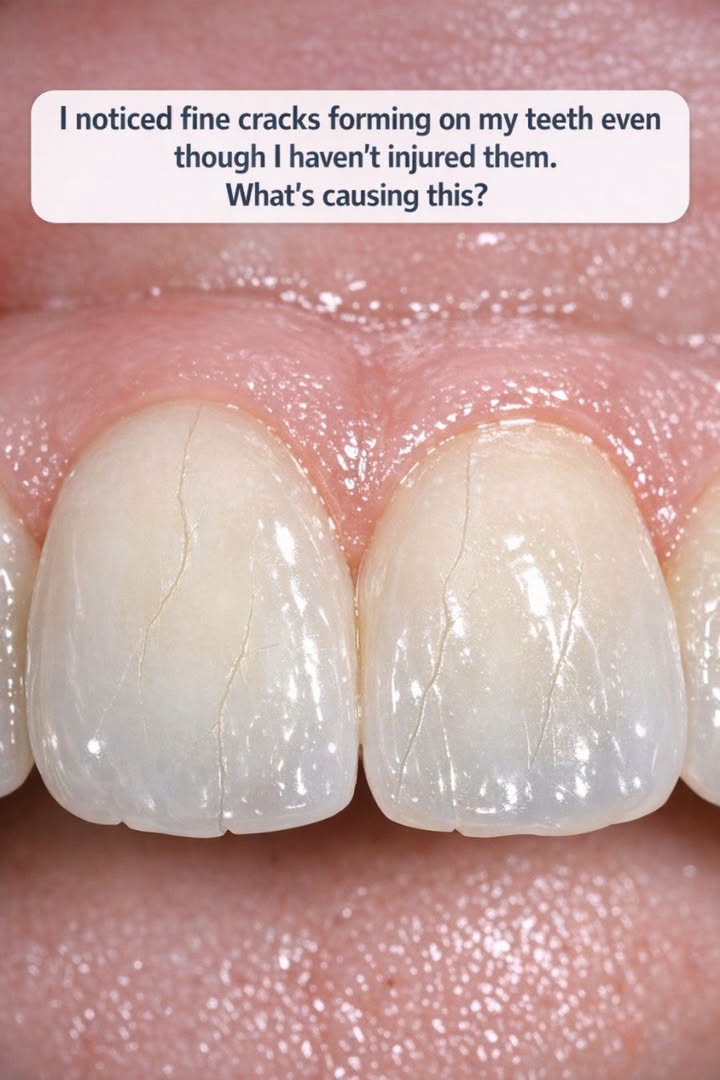
Bruxism, or teeth grinding, often occurs at night and can go unnoticed until significant damage has occurred. The forces generated by grinding can exceed 250 pounds per square inch, putting immense stress on the enamel. Over time, this can lead to the development of fine cracks and even more severe fractures. If you suspect you grind your teeth at night, look for symptoms like jaw pain or headaches upon waking.
4. Biting Hard Foods, Ice, And Other Sneaky Enamel Stressors
Biting into hard substances like ice, nuts, or hard candies can create stress points on your teeth. These stress points can cause the enamel to crack, even if the damage isn’t immediately visible. The sudden force of biting down on a hard object can be enough to exceed the enamel’s resistance, leading to fine cracks that may expand if not addressed.
5. Rapid Temperature Swings From Hot Coffee To Ice-Cold Drinks
Exposing your teeth to rapid temperature changes can contribute to the formation of cracks. Drinking hot coffee followed by ice water causes the enamel to expand and contract quickly, which can lead to thermal stress. This thermal cycling can gradually weaken the enamel and result in the formation of craze lines over time.
6. Enamel Erosion From Acidic Foods, Drinks, And Reflux
Acidic foods and beverages, such as citrus fruits and sodas, can erode enamel, making it more susceptible to cracking. The acid softens the enamel, reducing its ability to withstand pressure. Acid reflux, a condition where stomach acid reaches the mouth, can also contribute to enamel erosion. Over time, this erosion can lead to the development of fine lines and cracks.
7. Past Dental Work And Fillings That Change Bite Pressure
Dental restorations such as fillings and crowns can alter the distribution of bite forces. If these restorations are not properly aligned, they can create uneven pressure on the teeth, leading to stress and cracking. It’s important to have dental work evaluated regularly to ensure that it doesn’t contribute to enamel damage.
