
6. Side-By-Side: Comparing Drum Fish Teeth To Human Molars
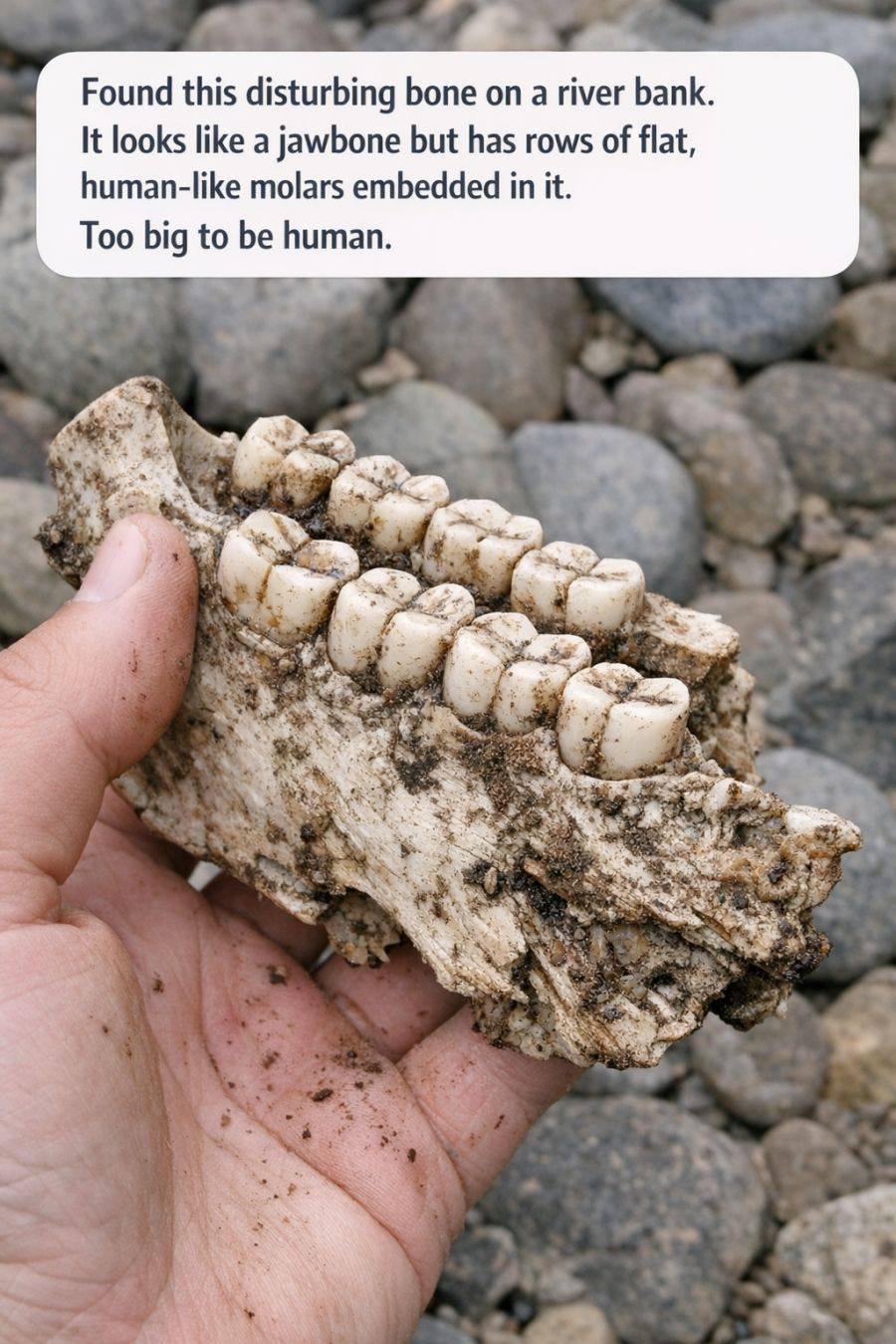
When placed side-by-side, the teeth of the freshwater drum and human molars reveal both striking similarities and telling differences. Both feature a flat, grinding surface ideal for processing food, which explains their superficial resemblance.
However, upon closer examination, differences become apparent. Human molars typically exhibit a more complex pattern of cusps and grooves, designed to aid in the mechanical breakdown of a varied diet. In contrast, the drum fish’s teeth are simpler, optimized for crushing rather than grinding. Additionally, the arrangement and attachment of these teeth within the bone differ significantly from the human dental structure.
7. Where These Bones Turn Up: Riverbanks, Lake Shores, And Flood Debris
Bones like the one discovered are commonly found in areas where freshwater drum populations are prevalent. Riverbanks, lake shores, and areas prone to flooding are typical sites where these bones may surface, washed up by water currents or exposed as water levels recede.
Such locations provide the perfect setting for bones to accumulate and become exposed to human discovery. Natural processes like erosion and sediment deposition play a key role in bringing these hidden artifacts to light, where they can be stumbled upon by the curious or unsuspecting.
8. Why Anglers Know This Bone (And Most Hikers Don’t)
Anglers, especially those familiar with freshwater fishing, often recognize these bones due to their encounters with drum fish. The distinctive teeth are a known feature among those who catch and clean these fish, making the bone’s appearance less of a mystery to them.
In contrast, hikers and others unfamiliar with the aquatic world may find these discoveries more perplexing. Without the context provided by experience or knowledge of local fauna, the bones can easily be mistaken for something more sinister or unusual, fueling speculation and intrigue.
9. Safety And Legal Questions: What To Do If You Find A Bone Like This
Finding a bone that resembles human remains can be a daunting experience, raising questions about safety and legal obligations. The first step is to avoid handling the bone excessively, as it may carry pathogens or other hazards.
If there is any doubt about the bone’s origin, it is advisable to contact local authorities or a forensic expert for evaluation. Many jurisdictions have guidelines on how to report such finds, particularly if there is any suspicion of human remains. Being cautious and informed can help ensure that any potential risks are mitigated and that the find is appropriately documented and investigated.
Found this disturbing bone on a river bank. It looks like a jawbone but has rows of flat, human-like molars embedded in it. Too big to be human
Advertisement
