
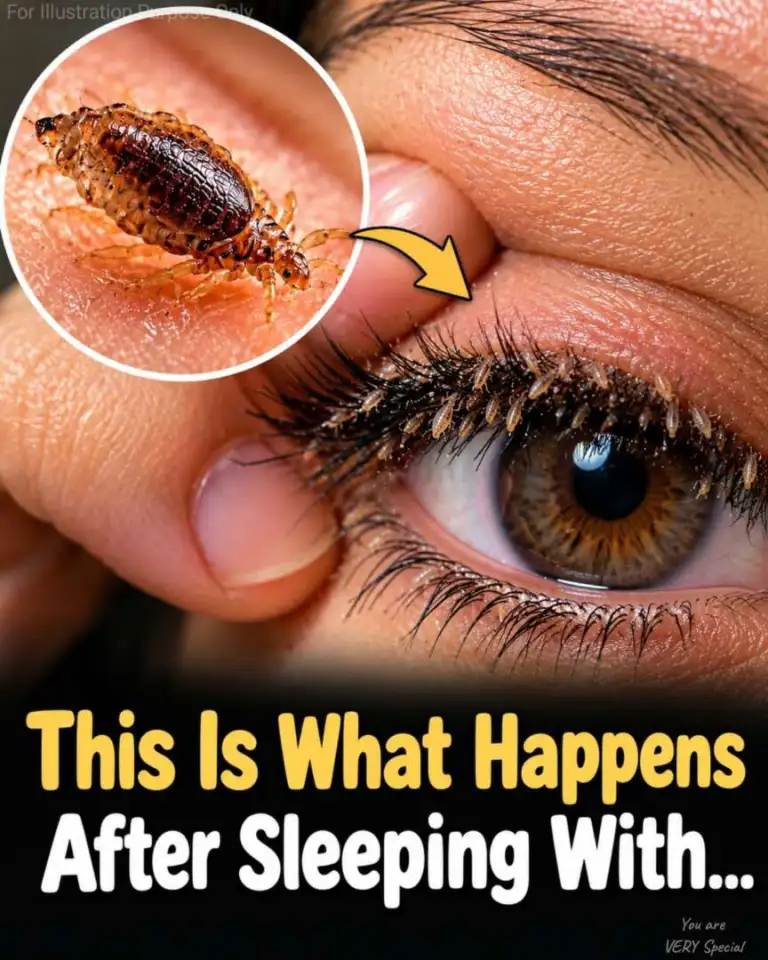
Head lice are a common problem, especially among children who spend time together at school, summer camps, and playdates. When the school year begins, lice can spread quickly through close contact. Once one child gets lice, other family members may also become affected.
Buy Bug Kits
Dealing with head lice can be uncomfortable, time-consuming, and frustrating. Treatment often requires several rounds of careful combing and checking to make sure the lice are completely removed.
How Do Head Lice Spread?
Children are more likely to get head lice because they often play and interact closely with one another. Activities such as sleepovers, outdoor games, and group gatherings provide opportunities for lice to move from one person’s hair to another.
Head lice cannot jump or fly. They spread mainly by crawling from one person’s hair to another during direct head-to-head contact.
Although lice can sometimes spread through shared items such as hats, brushes, and bedding, this is less common than direct contact.
Buy Bug Kits
How to Recognize Head Lice
Head lice can cause itching and discomfort, although they do not usually cause serious illness. The itching happens because the skin reacts to the lice bites. Symptoms may take several weeks to appear after the lice first enter the hair.
Buy Bug Kits
Discover more
Mouthwash
Write Love Letters
married
Adult lice are tiny insects, usually about one to three millimeters long. They may appear gray, brown, black, or reddish, depending on their surroundings.
One of the best ways to check for lice is to use a fine-toothed lice comb. Carefully comb the hair in small sections, starting near the scalp and moving toward the ends. Check the comb after every stroke for live lice.
