
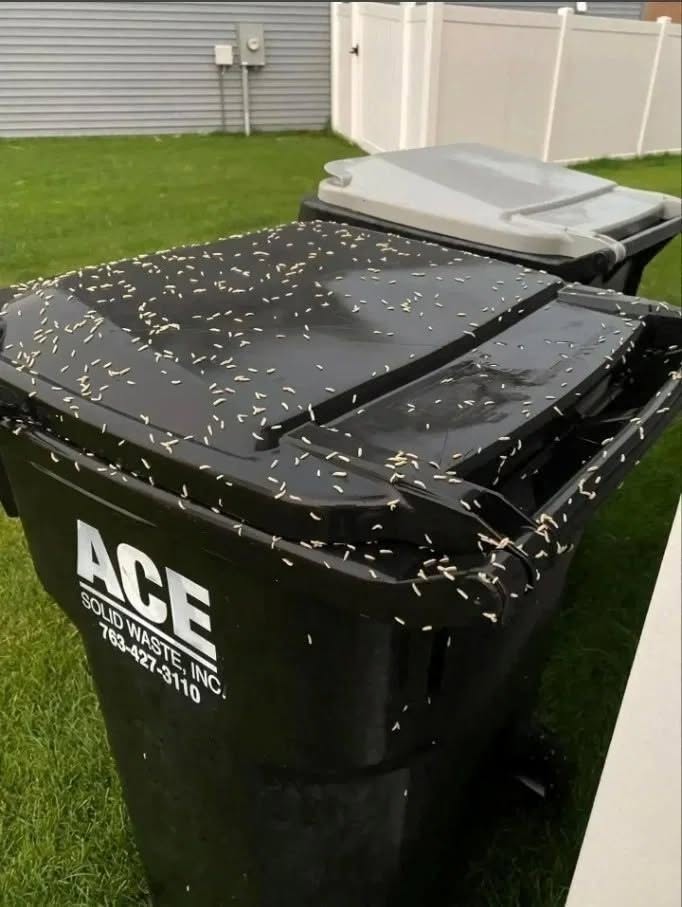
Discover why maggots appear in trash cans, how to remove them safely, and the best ways to prevent future infestations with easy household cleaning methods.
How to Get Rid of Maggots in Your Trash Can (And Prevent Them from Coming Back)
Opening your trash can and discovering maggots can be an unpleasant surprise. One day everything seems normal, and the next, you notice small white larvae moving around inside the bin.
While it may be alarming, maggot infestations are actually a common household problem, especially during warm weather. The good news is that they’re relatively easy to eliminate once you understand why they appear and how to prevent them.
Let’s look at what causes maggots, how to remove them effectively, and the best strategies to keep your trash can clean and pest-free.
What Are Maggots?
Maggots are the larval stage of flies, most commonly houseflies.
Adult flies are attracted to food waste, especially:
- Meat scraps
- Seafood waste
- Dairy products
- Overripe fruits
- Food-soiled packaging
When flies find suitable organic material, they may lay eggs on or near it. Under warm conditions, those eggs can hatch within a day, producing maggots.
Because trash cans often provide warmth, moisture, and food sources, they create an ideal environment for fly larvae to develop.
Why Do Maggots Appear in Trash Cans?
Several factors increase the likelihood of an infestation:
Warm Temperatures
Hot weather accelerates egg hatching and larval growth.
Food Waste
Organic waste provides an excellent food source for developing larvae.
Moisture
Damp conditions inside trash bins help support fly activity.
Open or Damaged Lids
Easy access allows flies to enter and lay eggs.
Delayed Trash Removal
The longer food waste remains in the bin, the greater the opportunity for flies to reproduce.
How to Remove Maggots from a Trash Can
If you discover maggots, it’s important to clean the bin thoroughly.
Method 1: Use Boiling Water
One of the simplest methods is pouring boiling water directly over the affected areas.
Steps
- Empty the trash can completely.
- Carefully pour boiling water over the maggots.
- Allow the water to sit briefly.
- Dispose of the contents safely.
This method quickly eliminates larvae through heat exposure.
Method 2: Vinegar and Baking Soda Cleaning Solution
After removing visible maggots, a vinegar solution can help clean and deodorize the container.
You’ll Need
- White vinegar
- Hot water
- Baking soda
Instructions
- Mix equal parts white vinegar and hot water.
- Add a small amount of baking soda.
- Scrub the entire bin, including corners and the lid.
- Rinse thoroughly.
This method helps remove residue and reduce odors that attract flies.
Method 3: Deep Clean the Trash Can
For severe infestations:
- Empty all contents.
- Wash the bin with hot soapy water.
- Disinfect using a household disinfectant.
- Allow the container to dry completely before reuse.
Dry conditions make the environment less attractive to flies.
How to Prevent Maggots from Returning
Prevention is often easier than treatment.
Keep the Lid Closed
A tightly fitting lid limits fly access.
Remove Trash Frequently
Dispose of garbage regularly, particularly during hot weather.
Wrap Food Waste
Place meat scraps and highly perishable food waste in sealed bags before disposal.
Clean the Bin Regularly
Rinse and disinfect trash cans every few weeks to reduce odors and residue buildup.
Freeze Food Scraps Before Disposal
If garbage collection is several days away, storing certain food scraps in the freezer until collection day can reduce fly attraction.
Use Trash Bags Properly
Strong, leak-resistant bags help prevent moisture buildup inside the container.
Common Mistakes to Avoid
Avoid these practices that can encourage fly activity:
- Leaving garbage uncovered
- Allowing liquids to collect at the bottom of the bin
- Storing trash cans in direct sunlight when possible
- Ignoring food residue around the lid and handles
- Waiting too long between cleanings
Frequently Asked Questions
Are maggots dangerous?
Maggots themselves are generally not harmful when confined to waste, but they indicate fly activity and poor sanitation conditions that should be addressed promptly.
How quickly do fly eggs hatch?
In warm temperatures, fly eggs can hatch within 8 to 24 hours.
Can maggots survive after a trash can is cleaned?
A thorough cleaning with hot water and disinfectant typically removes remaining larvae and eggs.
Why do maggots appear more often in summer?
Warm temperatures accelerate the fly life cycle and create ideal breeding conditions.
Final Thoughts
Maggots in a trash can are unpleasant, but they are usually easy to eliminate with prompt cleaning and proper sanitation practices.
Regular trash removal, sealed food waste, routine bin cleaning, and secure lids can significantly reduce the chances of future infestations.
By maintaining a clean trash container and addressing food waste quickly, you can keep your home cleaner, fresher, and far less attractive to flies.
